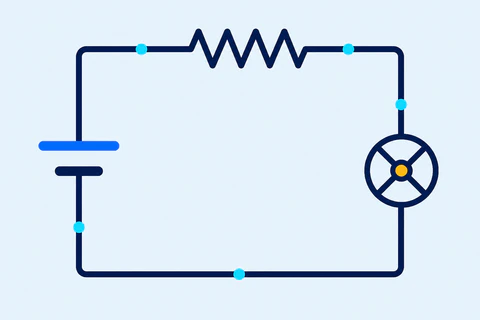
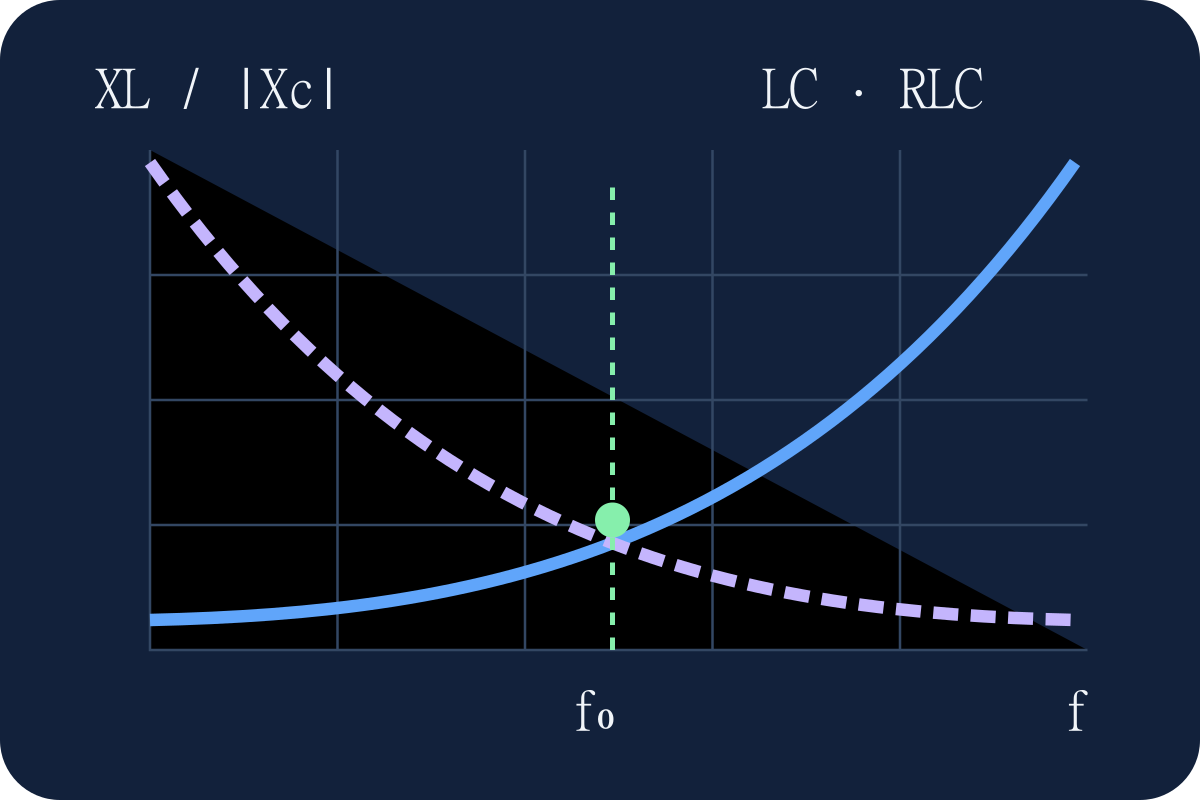
Understanding Reactance and LC/RLC Resonance
Understand capacitive and inductive reactance, LC resonance, RLC impedance, quality factor and bandwidth with formulas and worked examples.
Reviewed references that connect formulas and standards to verifiable design decisions.
47 references · 6 categories
Each preview opens a reviewed technical reference and the tool that applies its data when a calculator is available.
Understand capacitive and inductive reactance, LC resonance, RLC impedance, quality factor and bandwidth with formulas and worked examples.

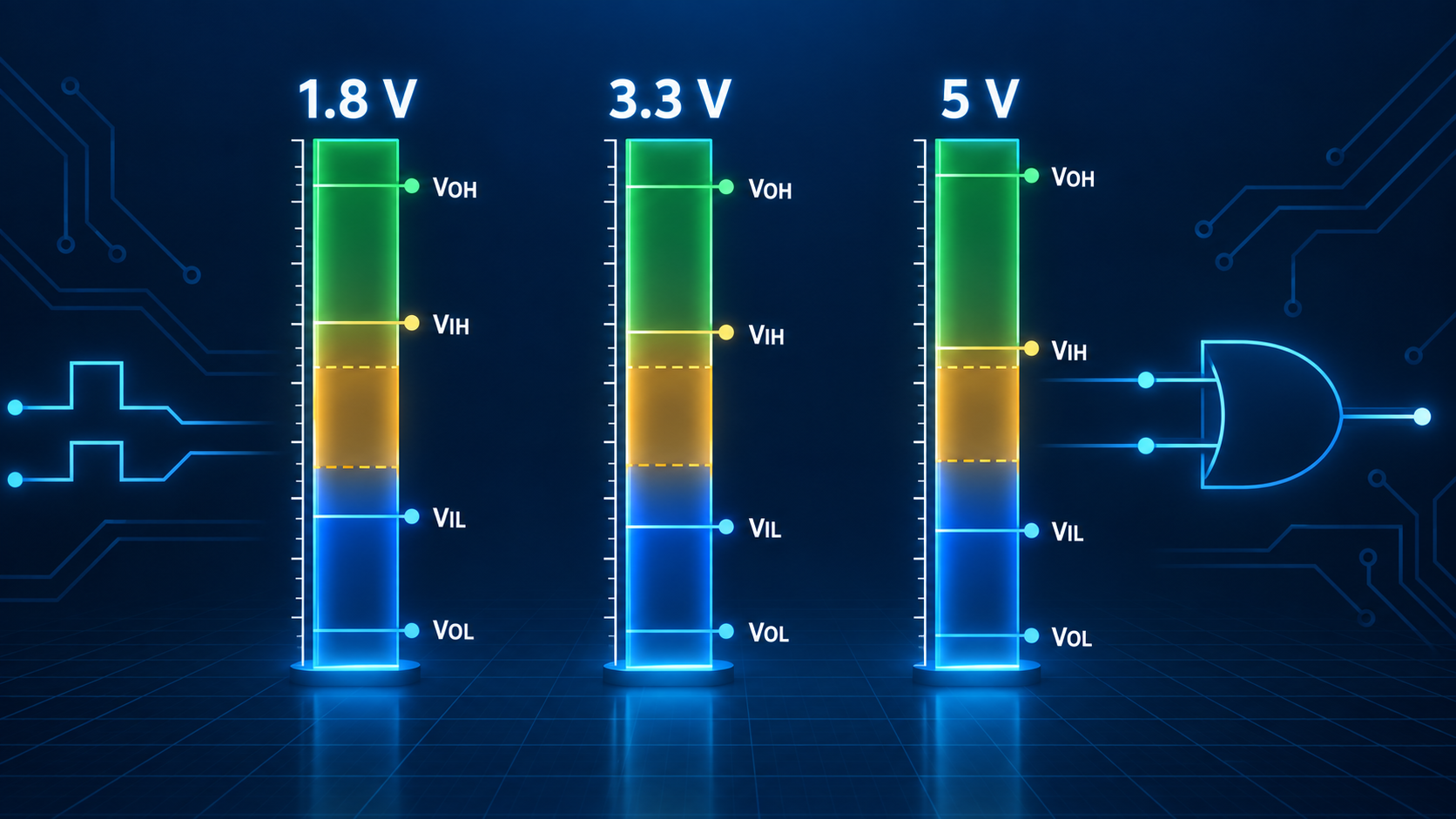
Learn how to compare VOH, VOL, VIH and VIL thresholds, calculate noise margins, and safely interface 1.8 V, 3.3 V and 5 V digital circuits.
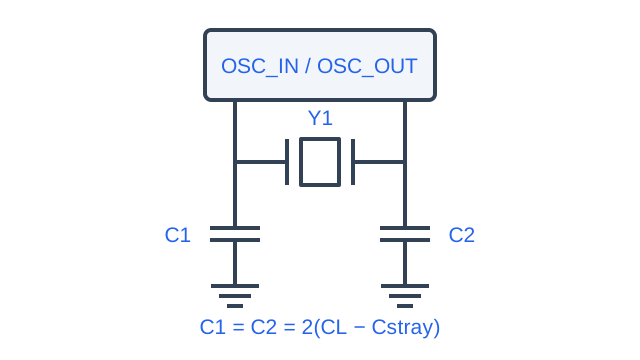
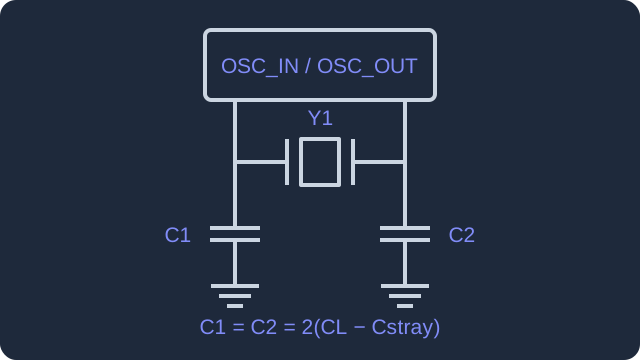
Learn how to calculate crystal load capacitance, select oscillator capacitors, account for PCB parasitics, and design reliable crystal oscillator circuits.
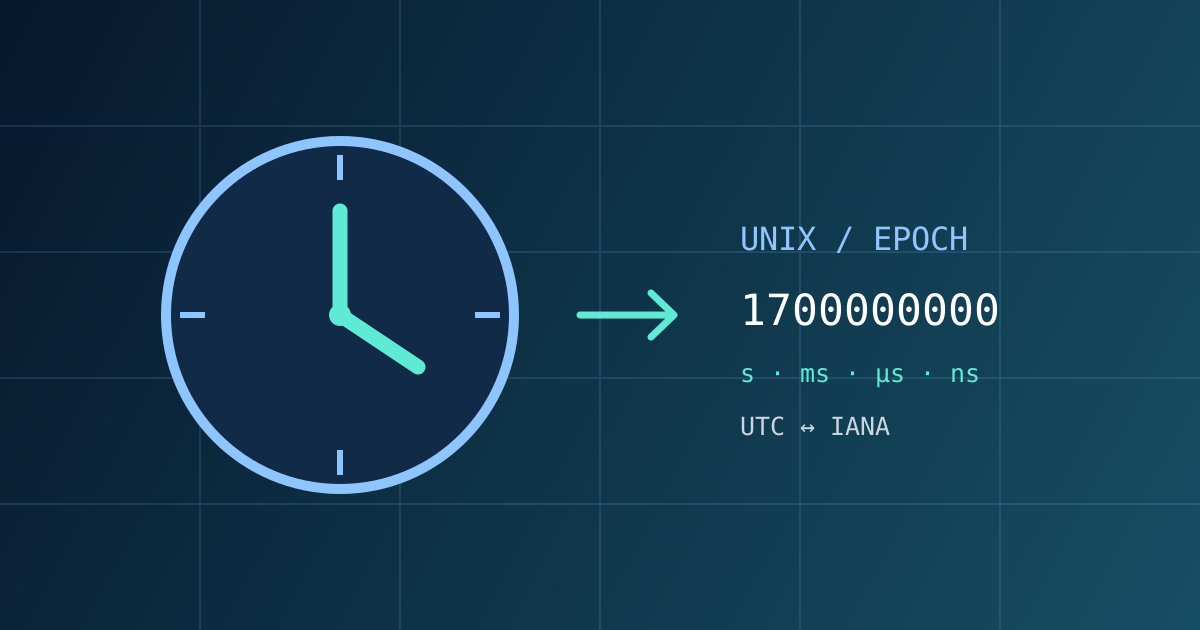
Understand Unix Epoch, time units, UTC, integer precision, the 2038 and 2106 limits, and leap seconds with practical code examples.
Design sensor timestamps with RTC, NTP, monotonic clocks, JSON and SQL, including an ESP32 synchronization example.

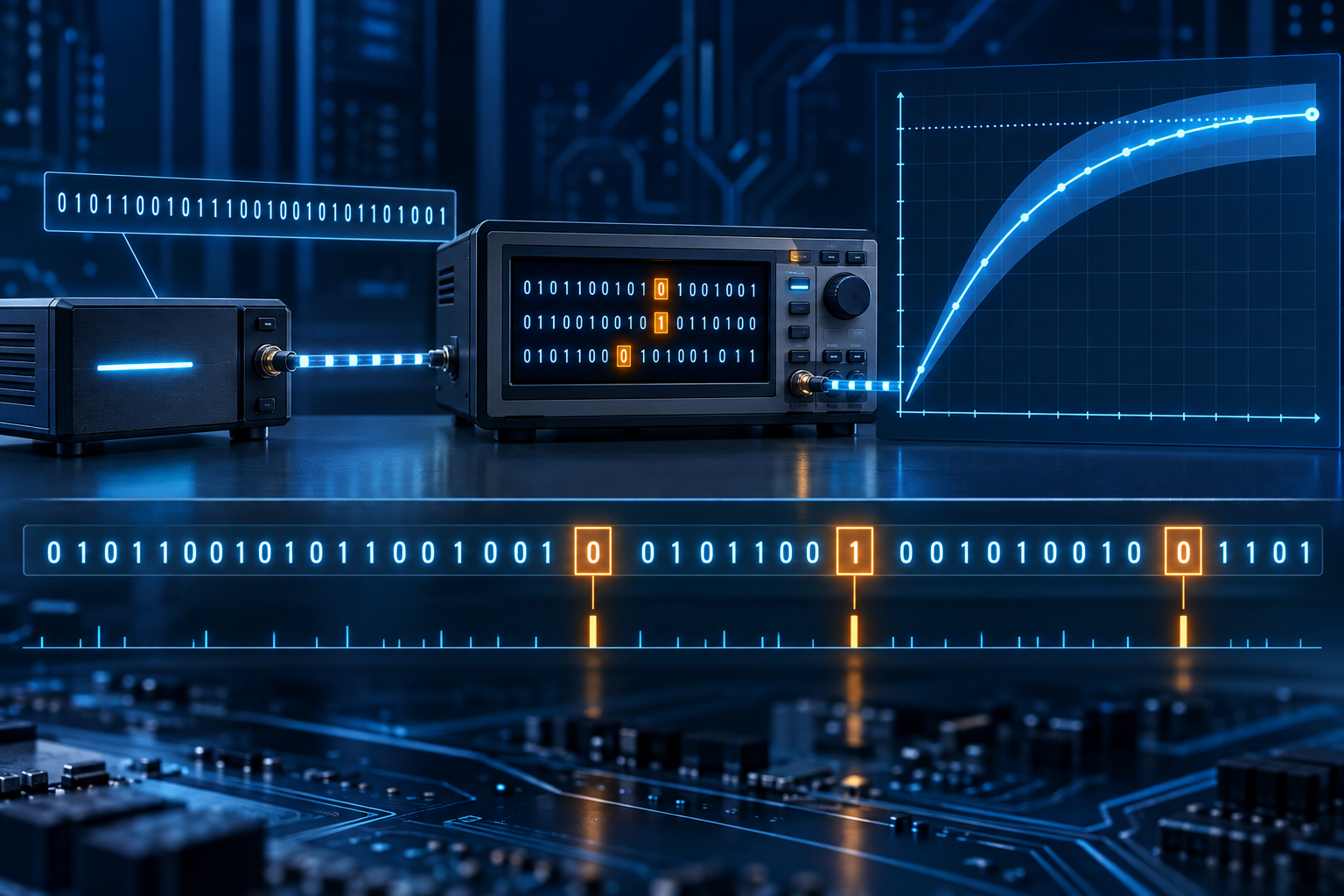
Connect specified BER, bit rate, duration, and measured errors to statistical confidence, then plan an interpretable BERT test.

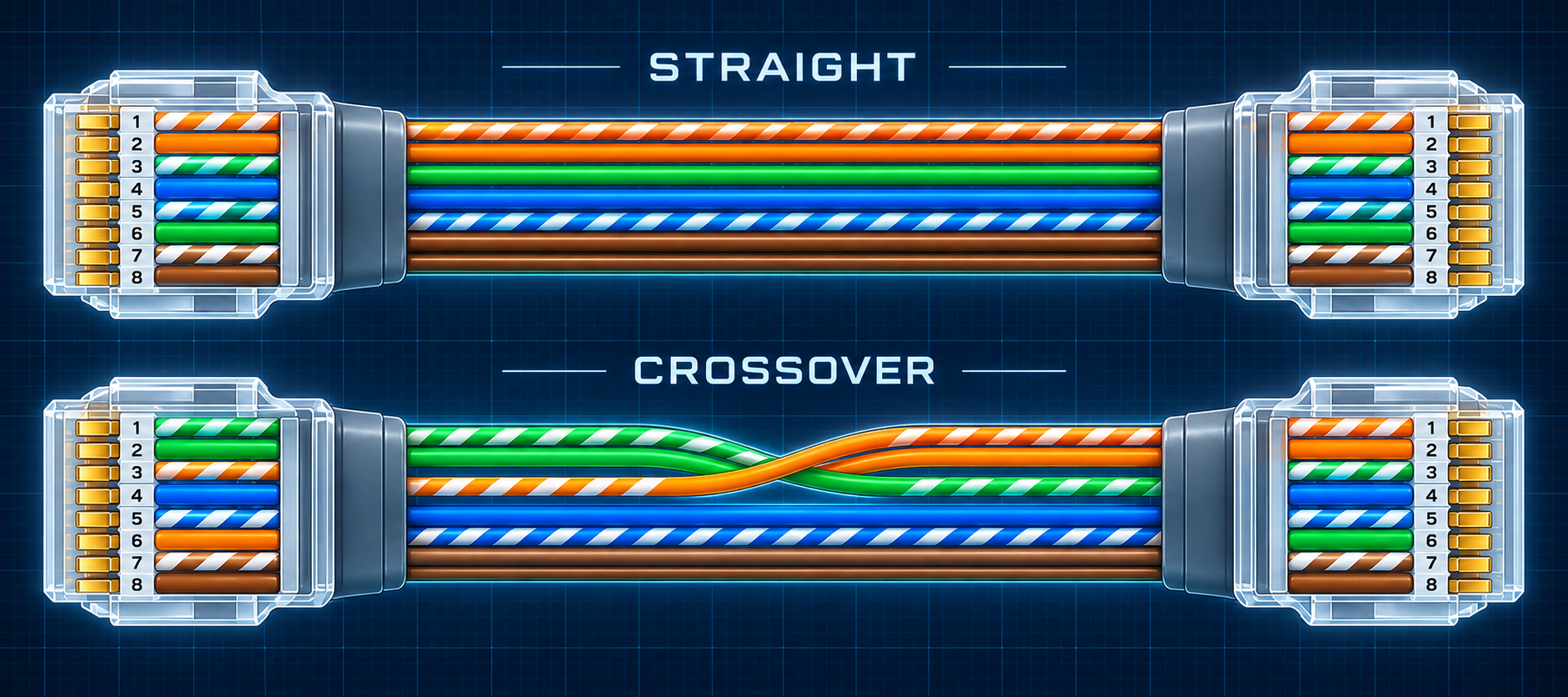
Distinguish straight-through and crossover cables, T568A/T568B terminations, two- and four-pair crossover wiring, and Auto MDI-X.

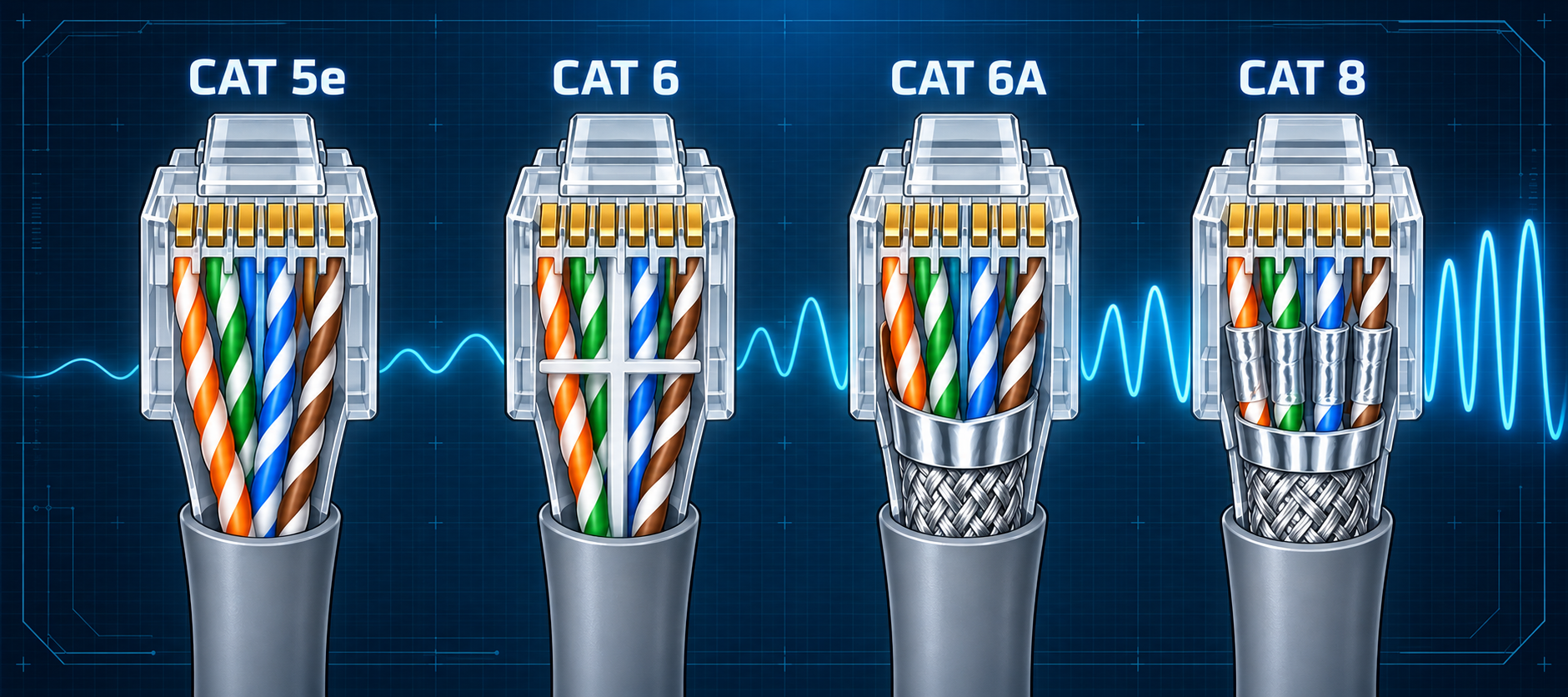
Compare Cat 5, 5e, 6, 6A, 7, 7A, and 8 by frequency, speed, reach, shielding, connector, and TIA versus ISO/IEC scope.

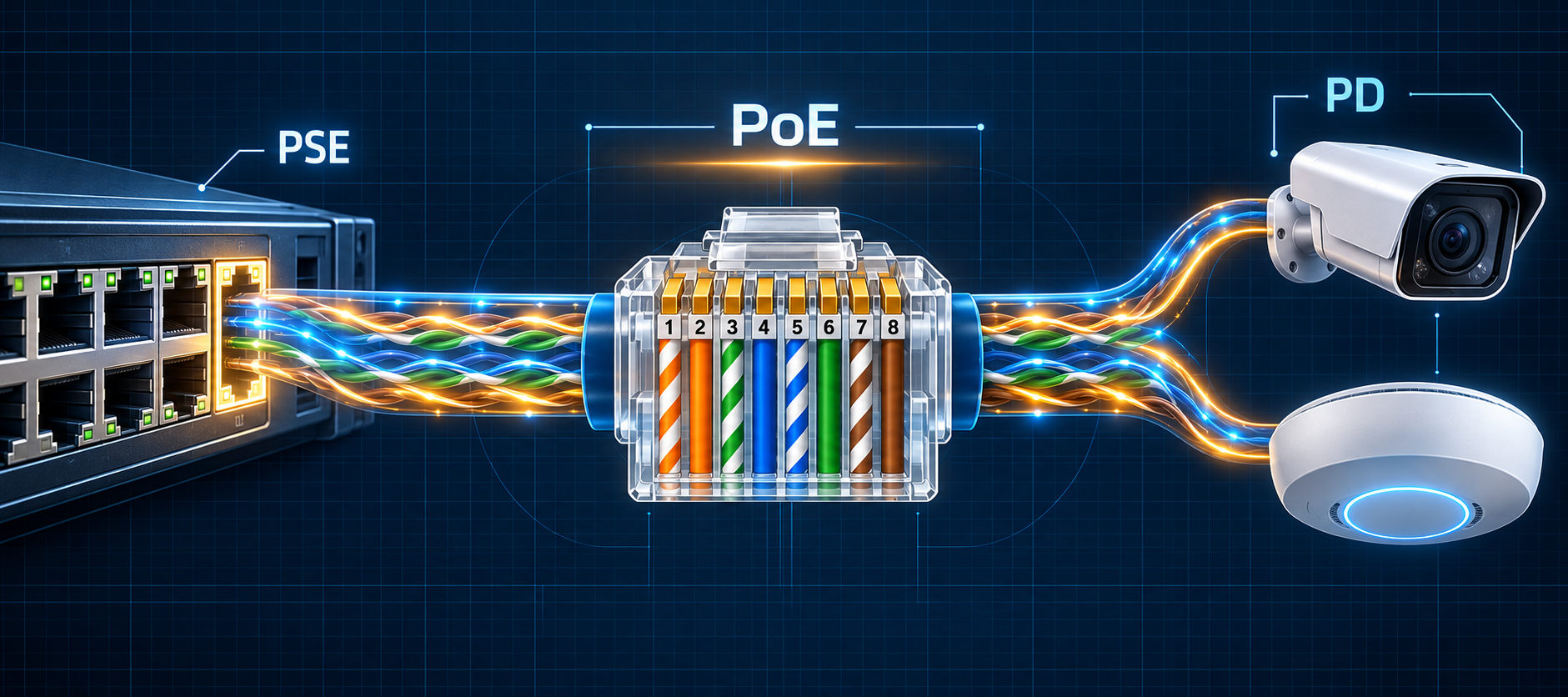
Understand PSEs, PDs, detection, classification, Alternatives A/B, four-pair powering, and IEEE 802.3af, at, and bt power levels.

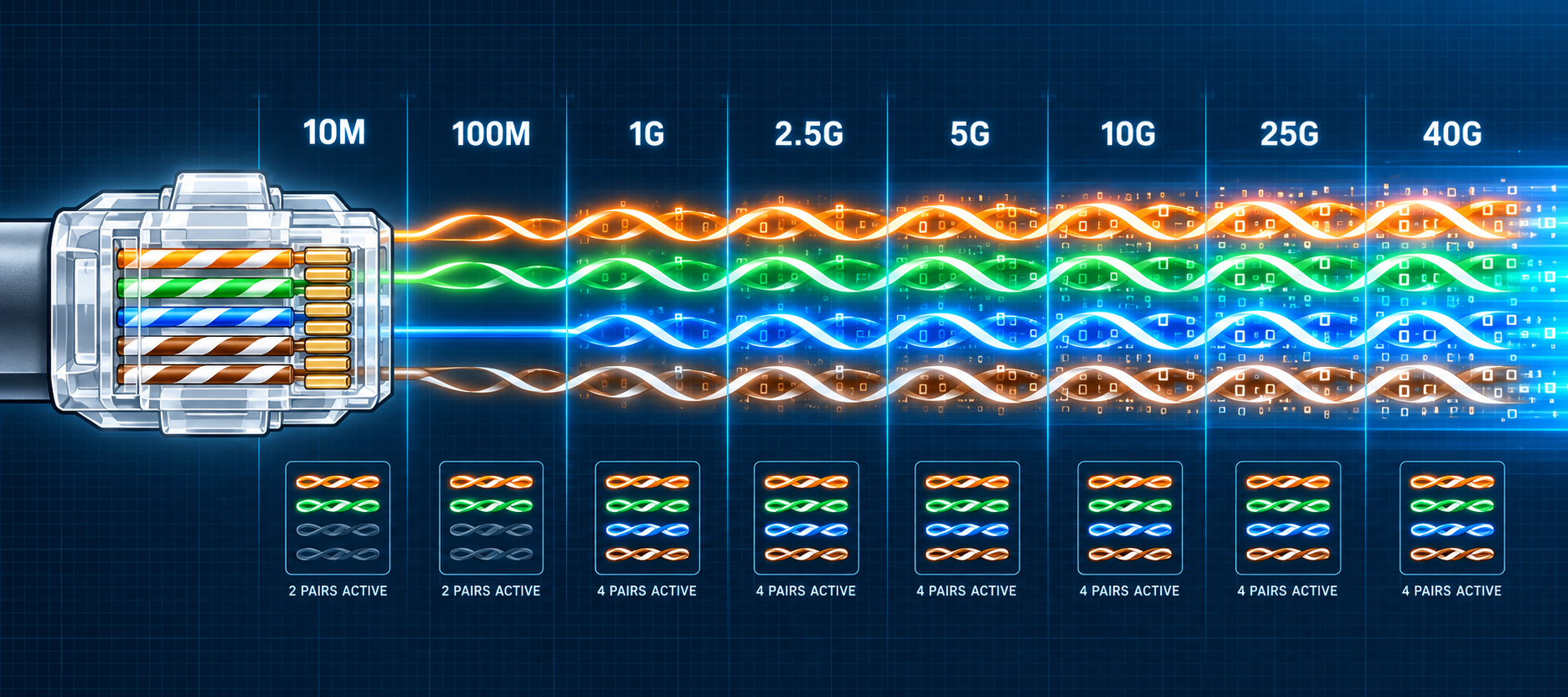
Compare 10BASE-T, 100BASE-TX, 1000BASE-T, 2.5G, 5G, 10G, 25G, and 40GBASE-T by pairs, category, reach, and negotiation.

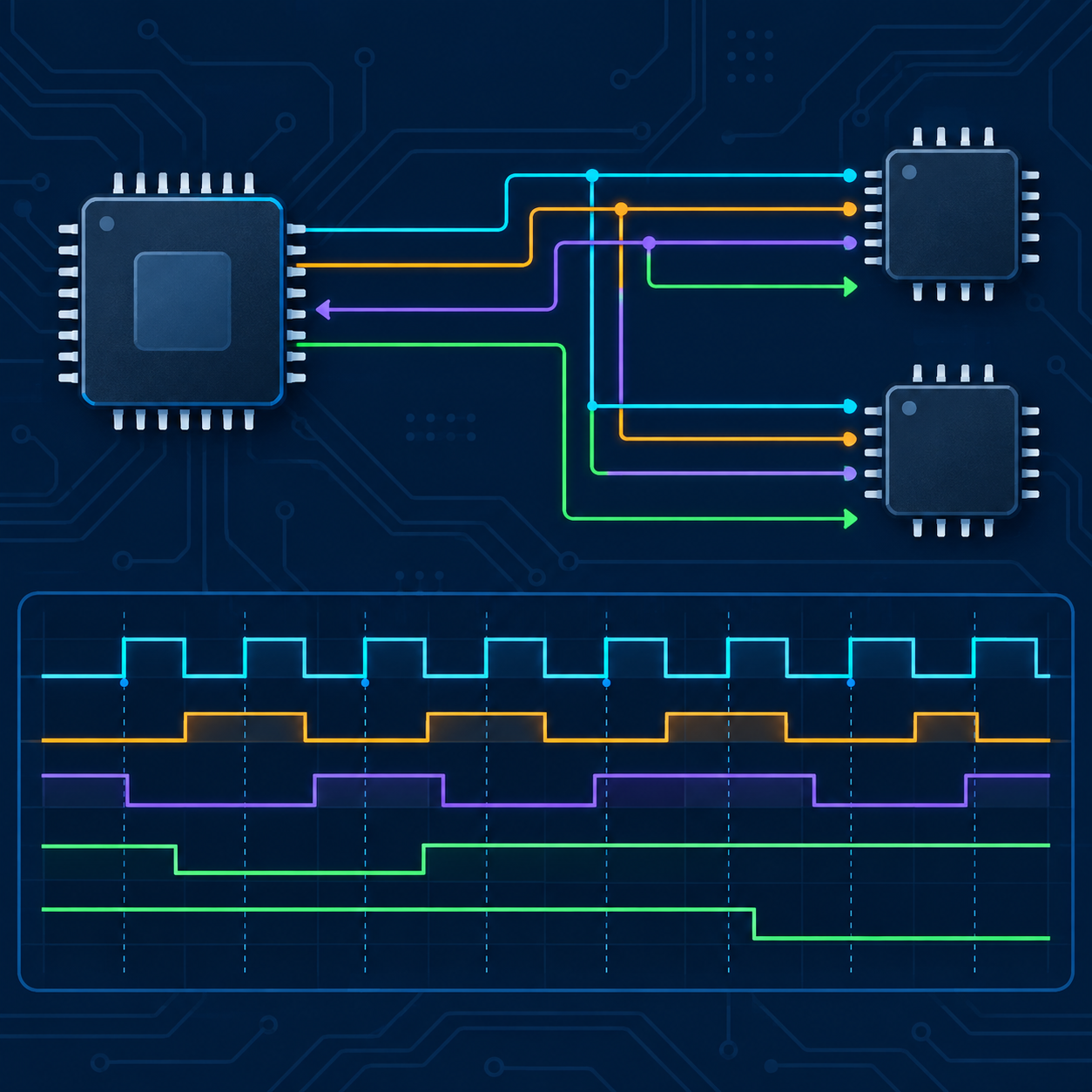
Understand CPOL, CPHA, MOSI, MISO, SCLK and CS, then build a reliable SPI bus with timing, logic levels, topologies and debugging guidance.

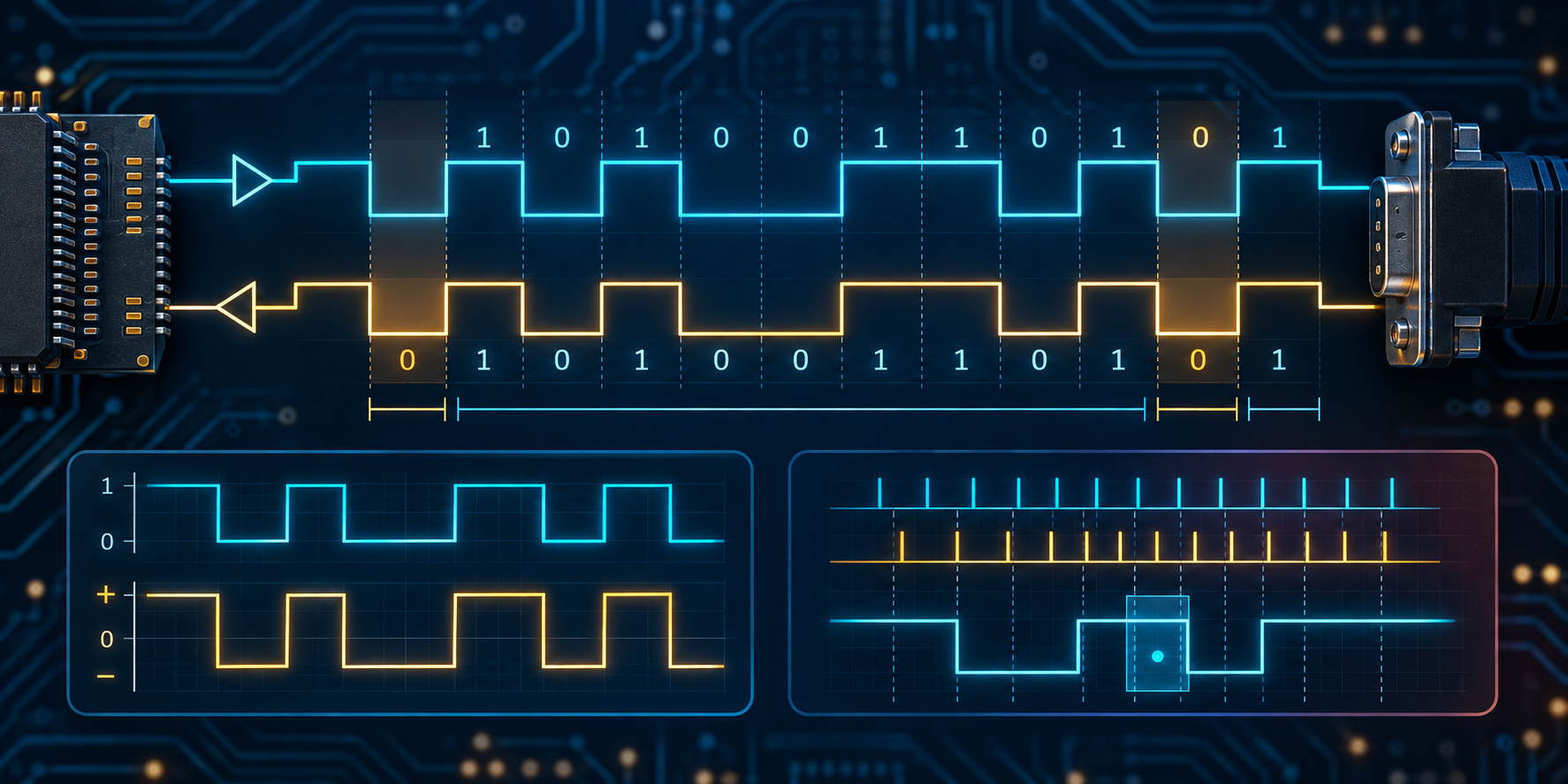
Understand asynchronous UART transmission: start and stop bits, data order, parity, baud rate, clock tolerance, errors, and TTL, CMOS, RS-232, and RS-485 compatibility.

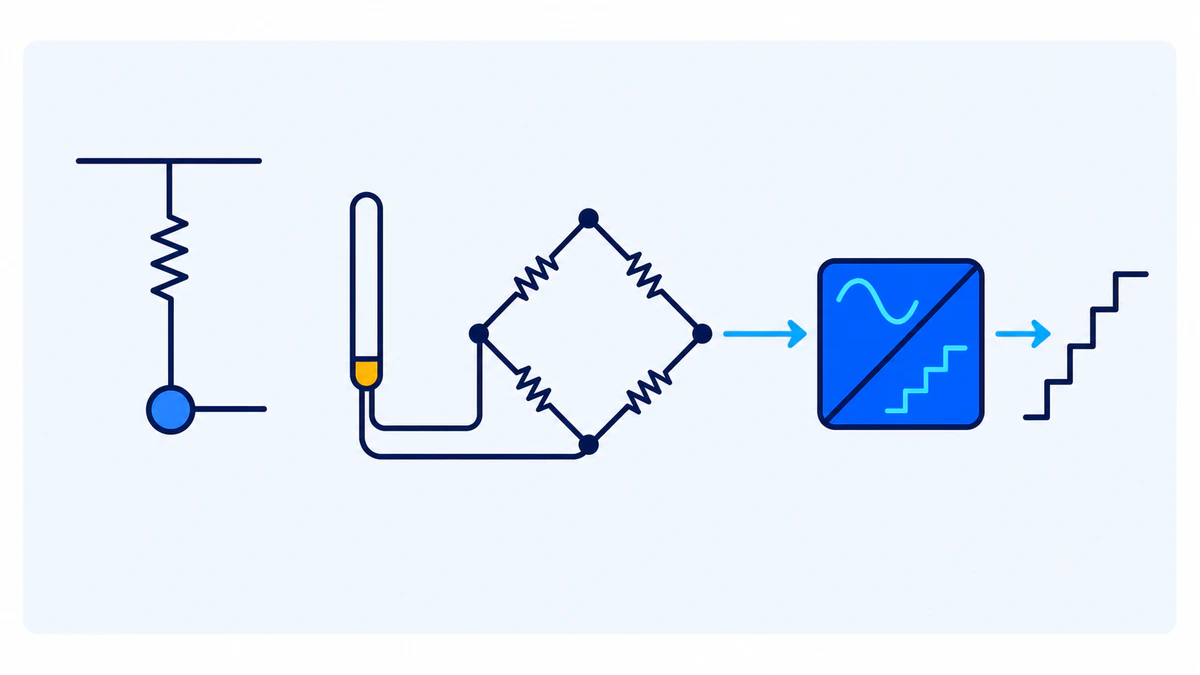
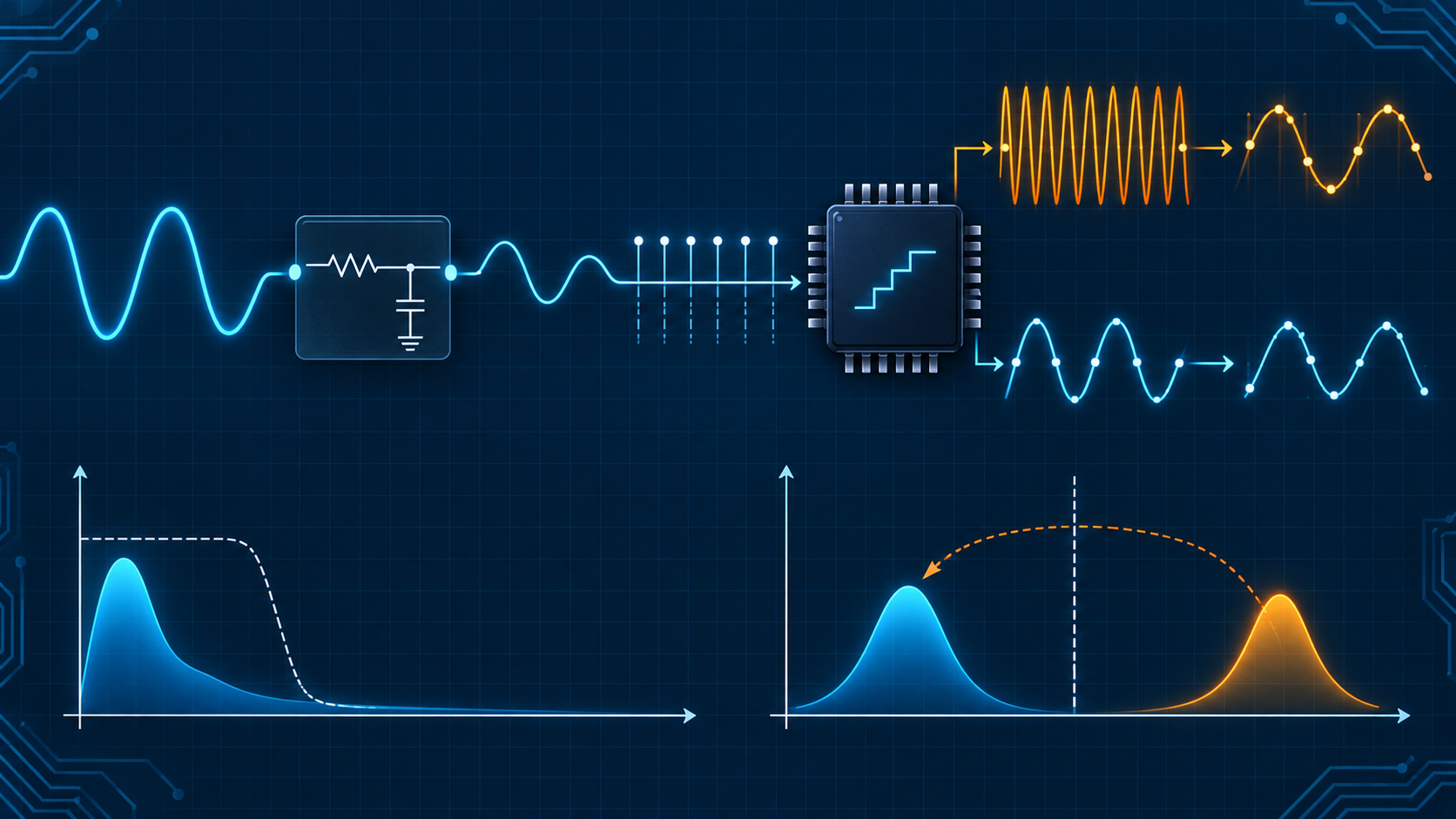
Size an ADC sampling rate, identify spectral folding, and select a realistic anti-aliasing filter while accounting for its transition band.

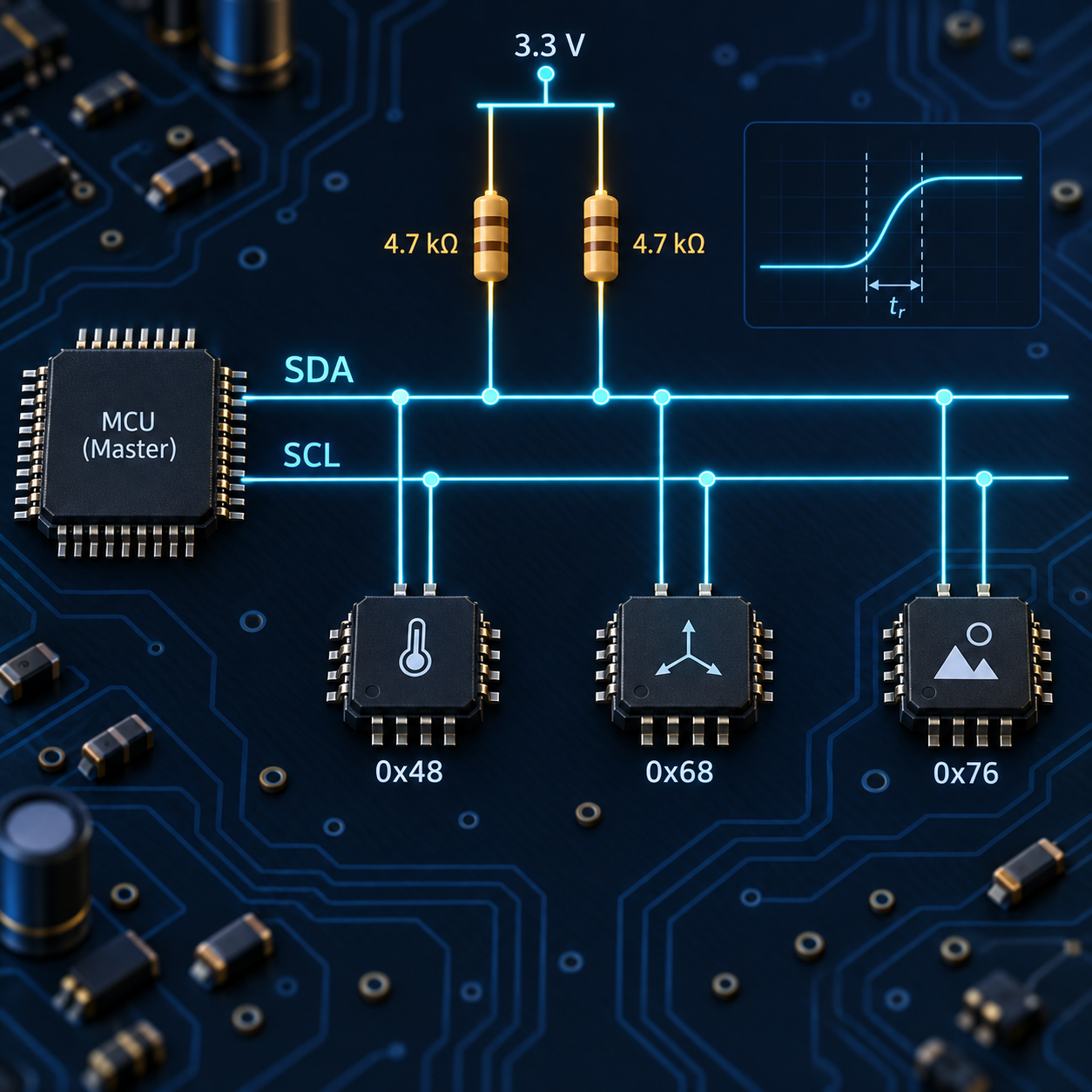
Wire a reliable I²C bus: SDA and SCL roles, 7-bit addresses, speeds, bus capacitance, rise time, and pull-up sizing.

Understand VIL, VIH, VOL, and VOH, verify noise margins, and design safe interfaces between 1.8 V, 3.3 V, and 5 V domains.

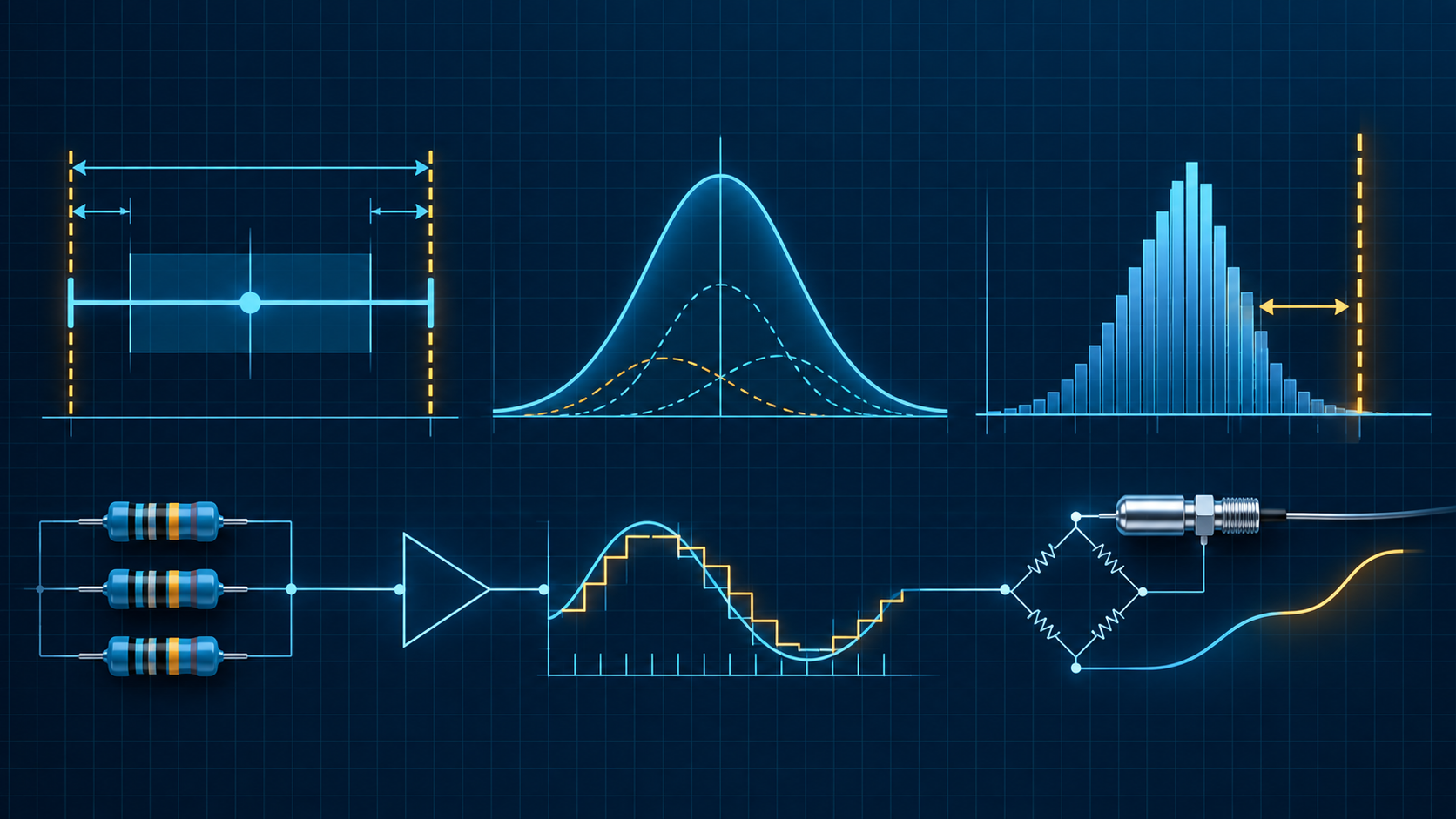
Build a reliable error budget: worst-case addition, RSS, Monte Carlo simulation, and design margin for resistors, ADCs, and RTD sensors.

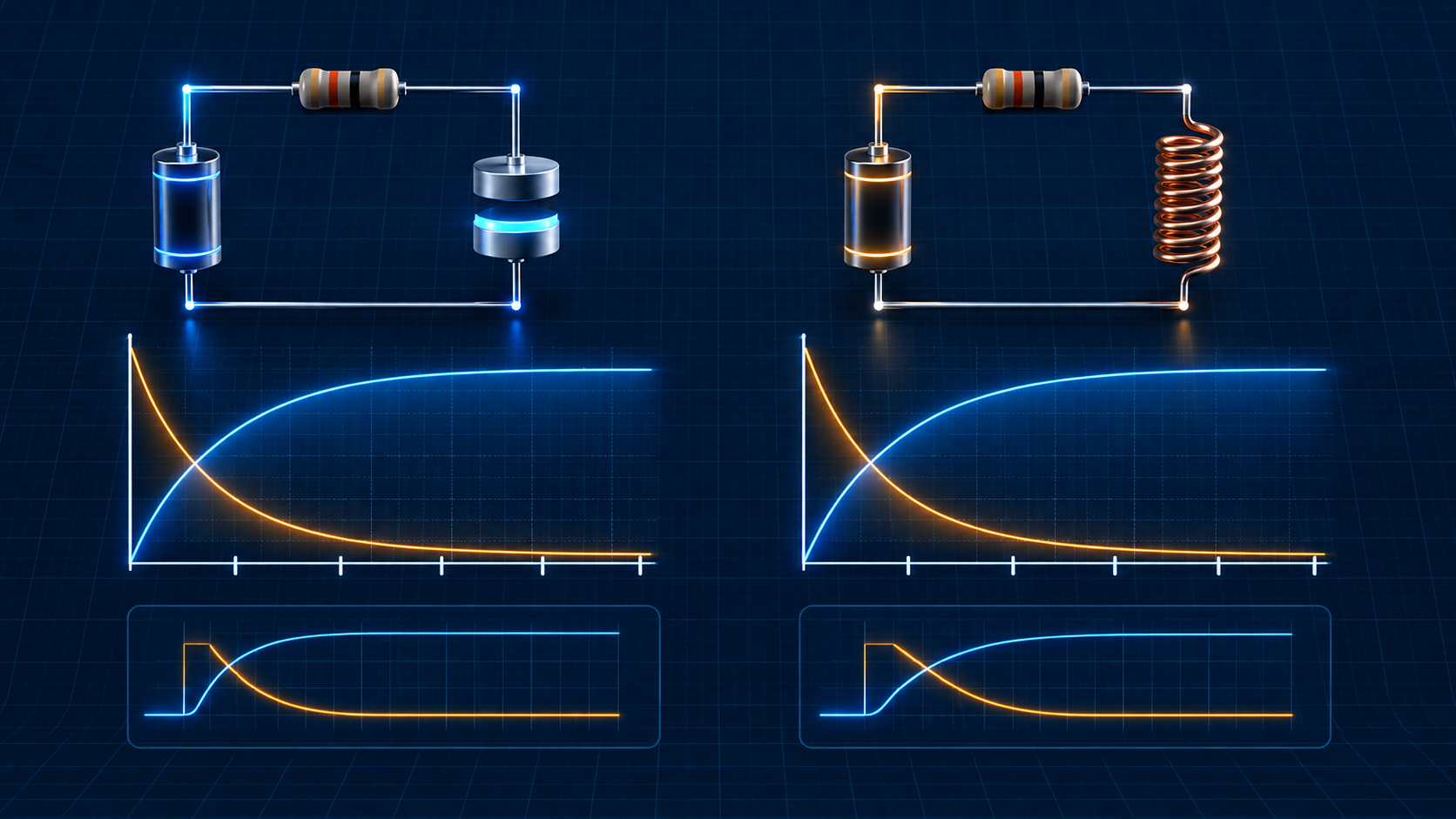
Calculate the time constant τ of RC and RL circuits, interpret charging, discharging, and transient response, then apply the 5τ rule correctly.

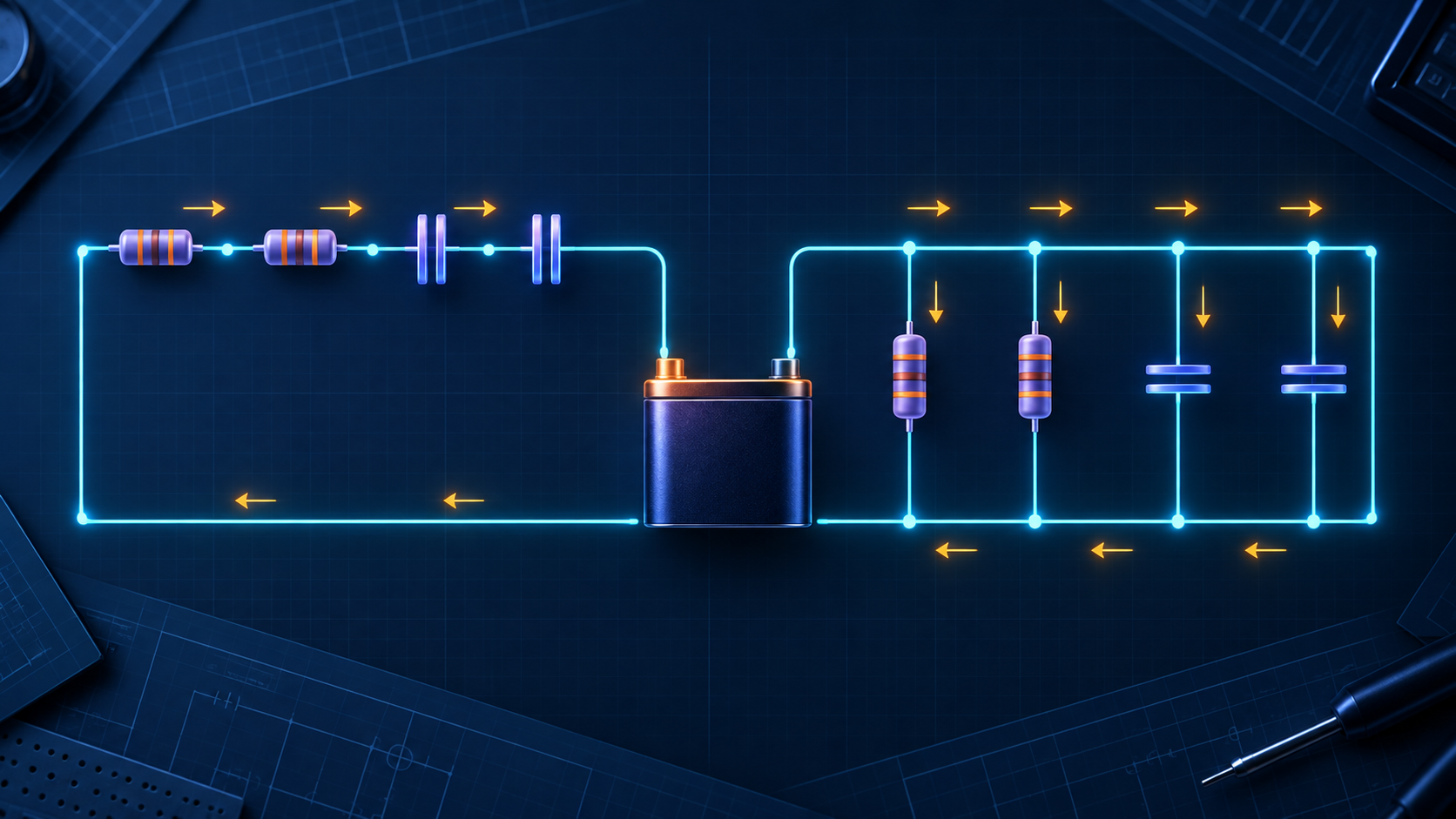
Determine voltage, current, and power sharing in series and parallel networks, then calculate their equivalent resistance and capacitance.

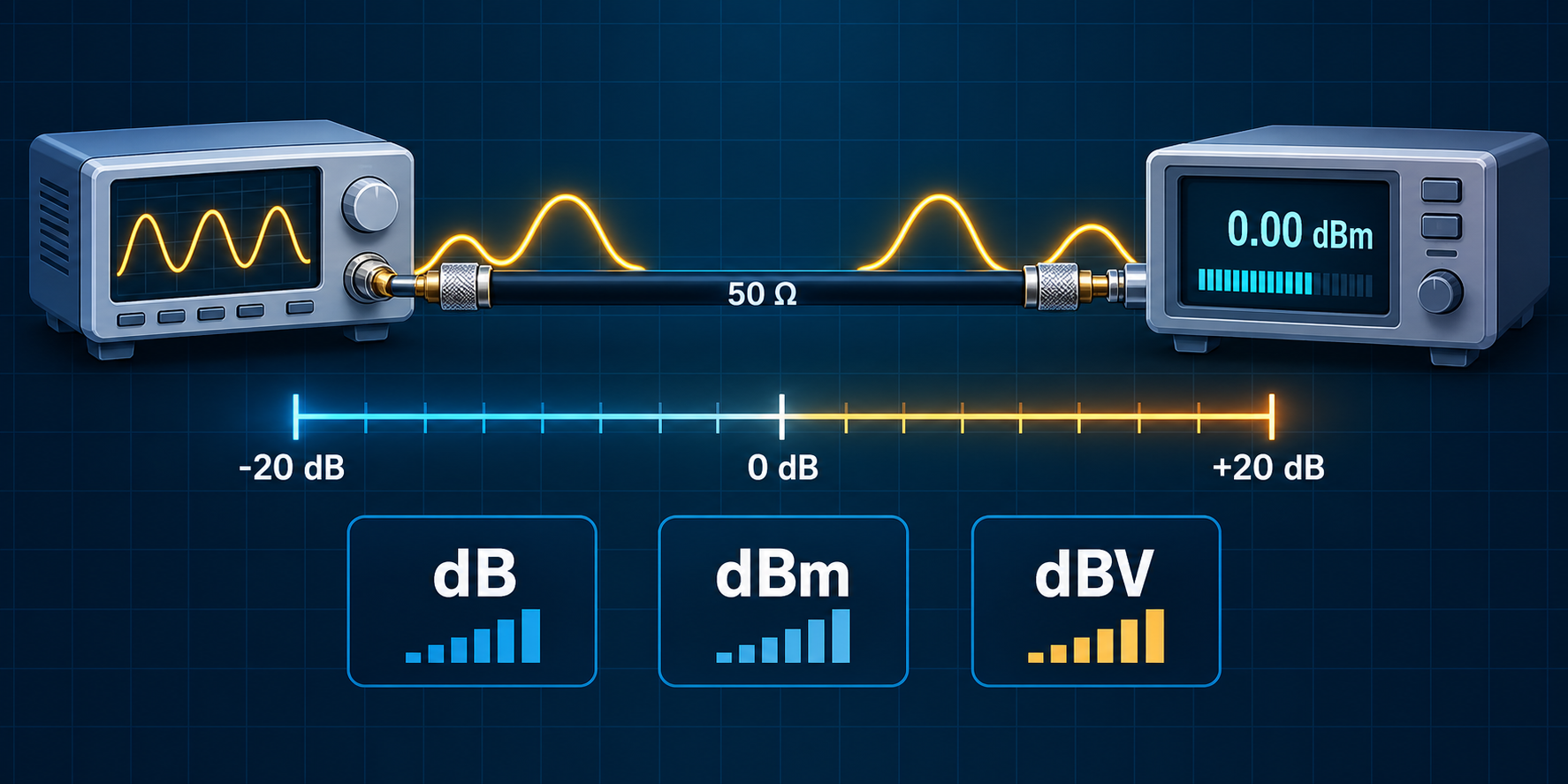
Understand power and voltage ratios, dBm, dBV and dBu references, impedance, conversions, and measurement pitfalls in electronics and RF.

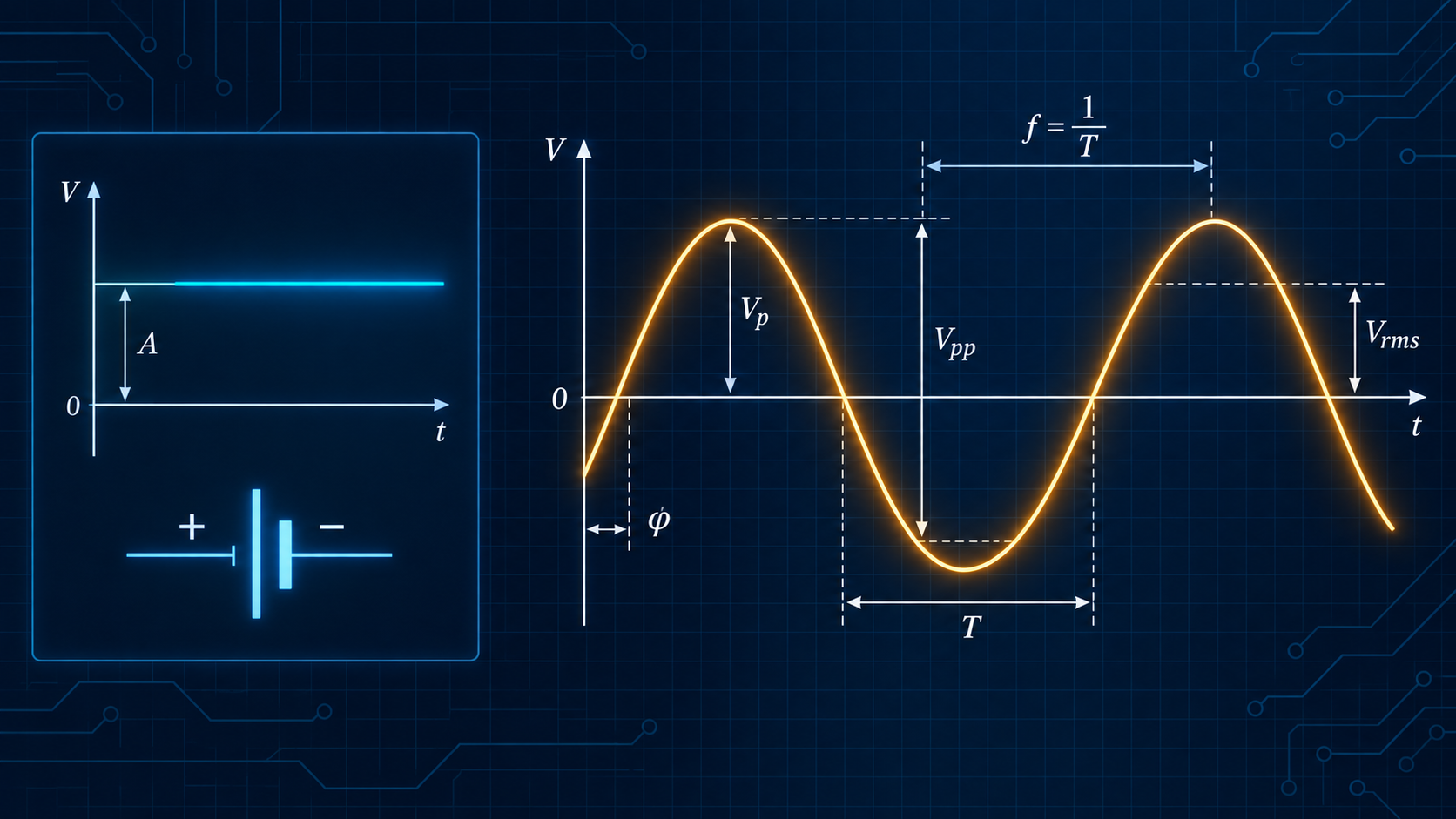
Distinguish DC and AC, read amplitude, frequency, period, phase, peak, and peak-to-peak, then relate them to RMS values and real measurements.

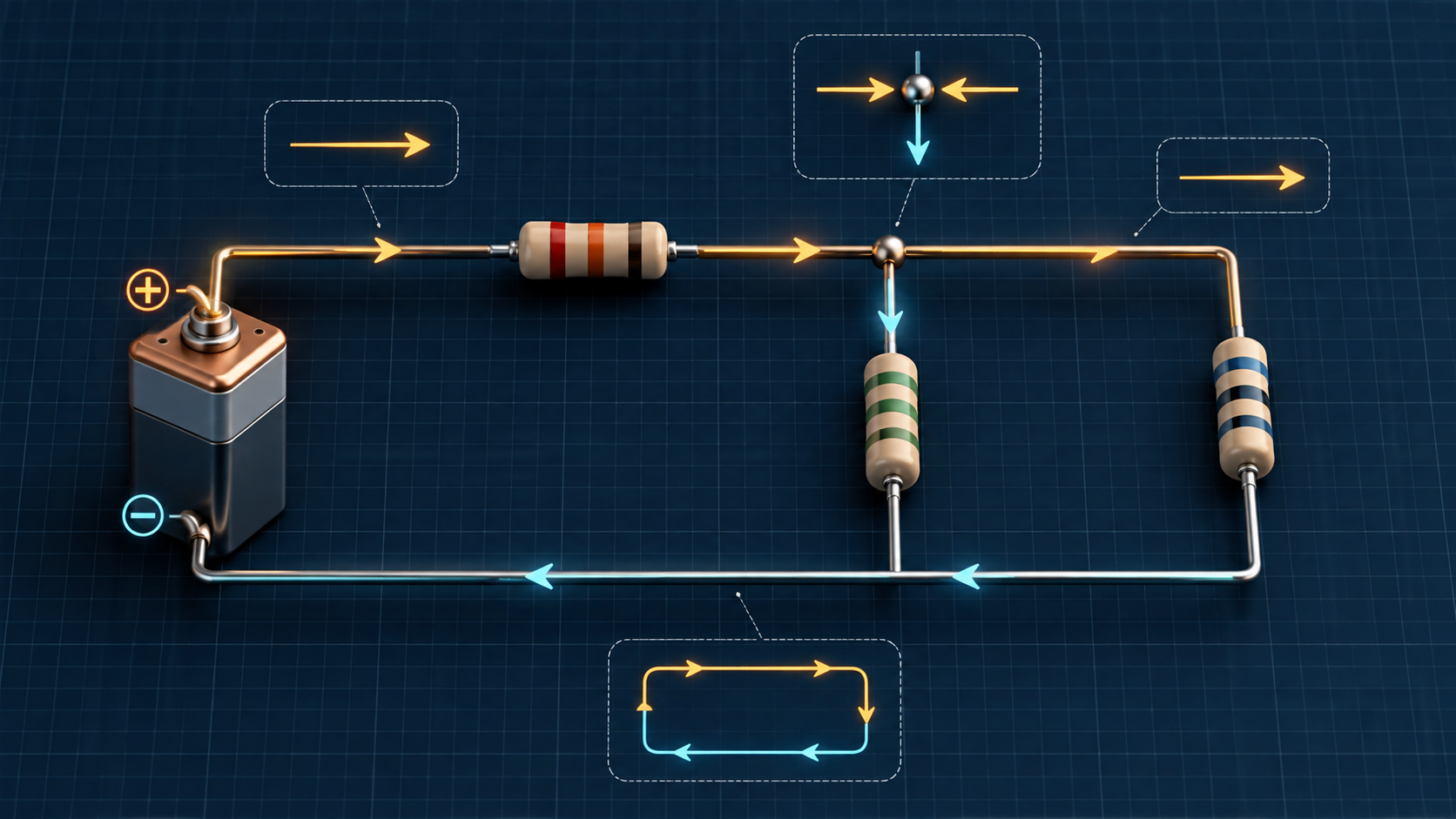
Apply Kirchhoff’s current law (KCL) and voltage law (KVL), choose consistent sign conventions, and solve resistive circuits step by step.

Connect voltage, current, resistance, power, and energy; convert units; and check your results with DC circuit examples.

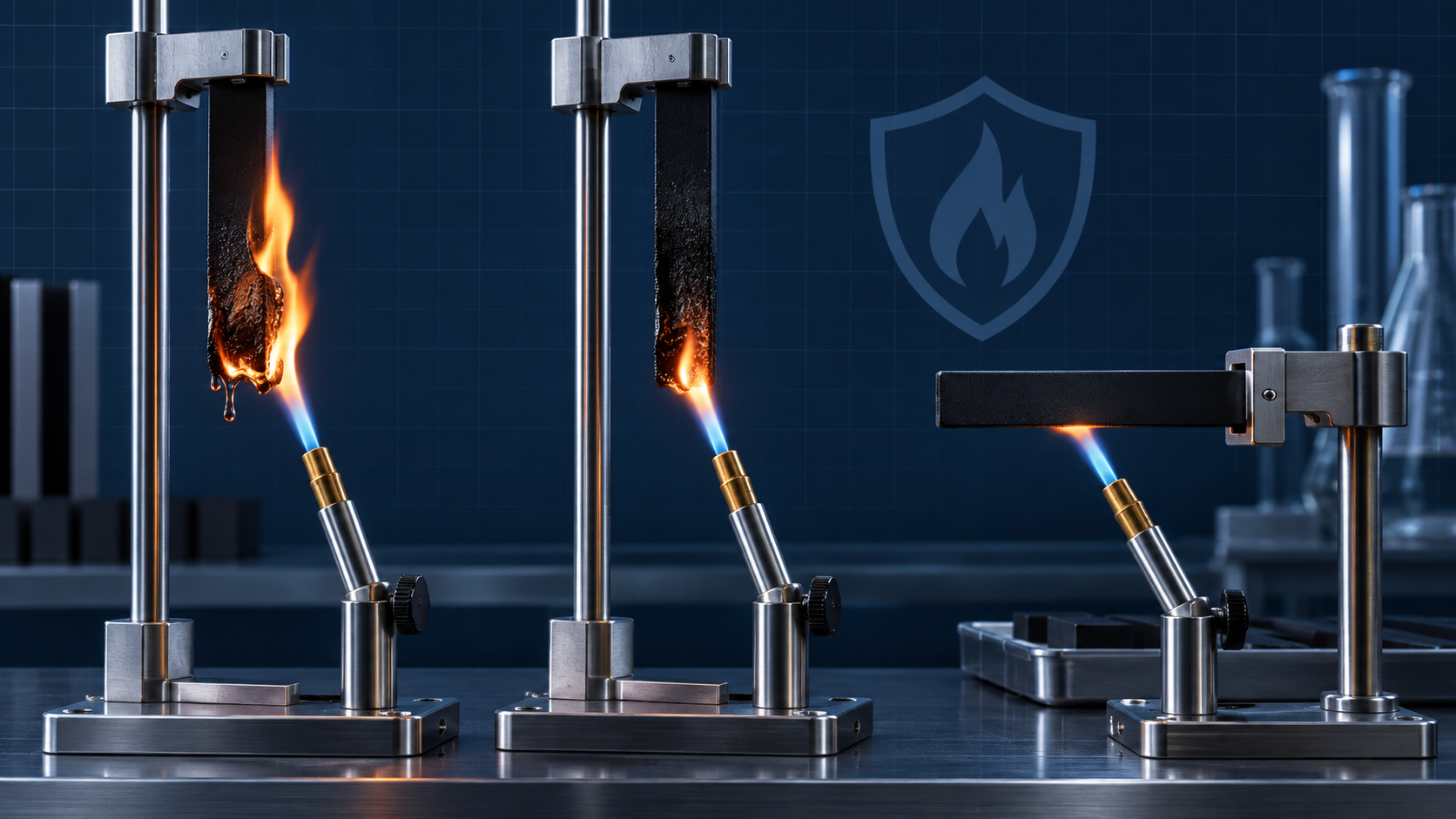
Understand UL 94 HB, V-2, V-1, V-0, 5VB and 5VA ratings, the effect of thickness, and how to verify a material classification.

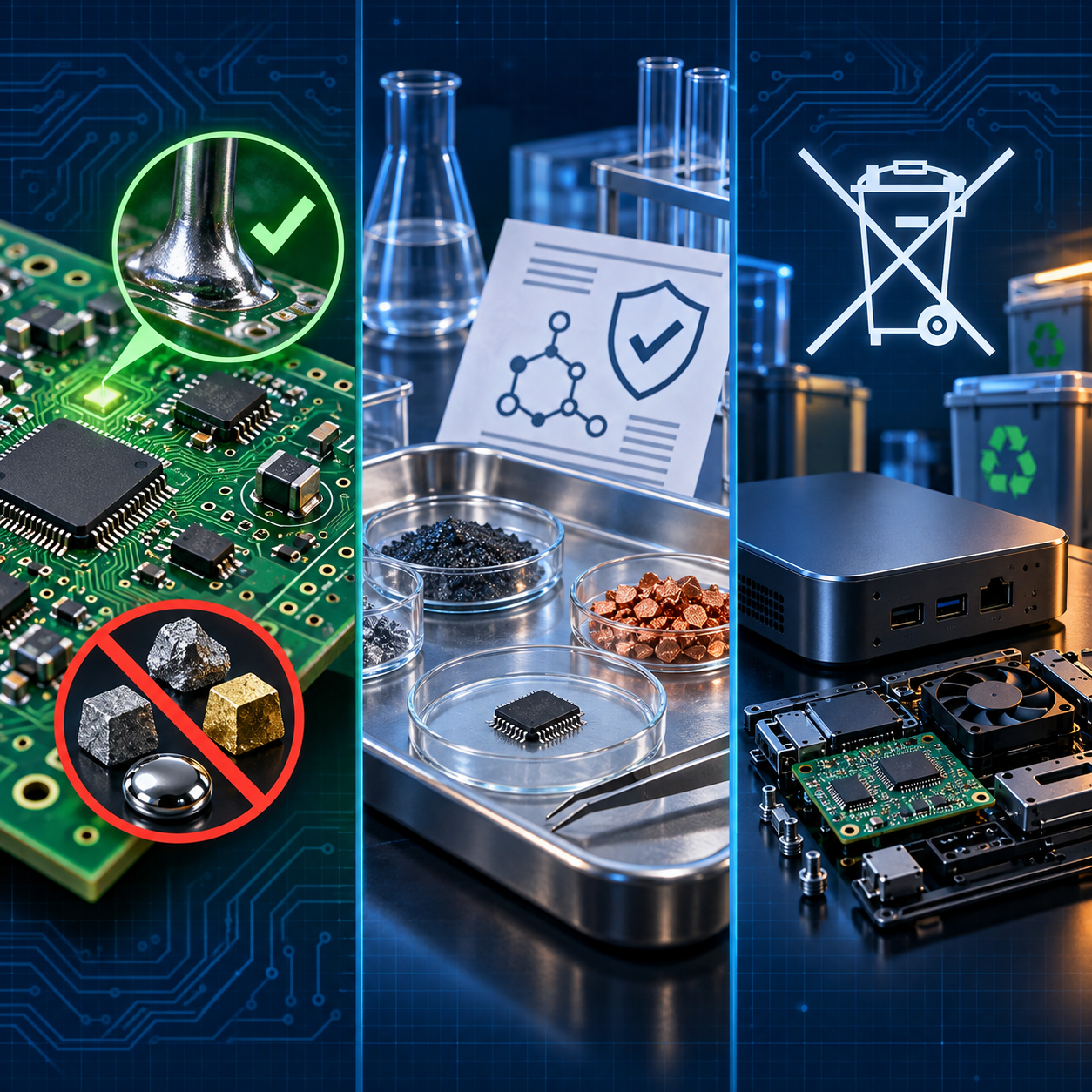
Distinguish substance restrictions, SVHC information duties, and end-of-life obligations for electrical and electronic equipment placed on the EU market.

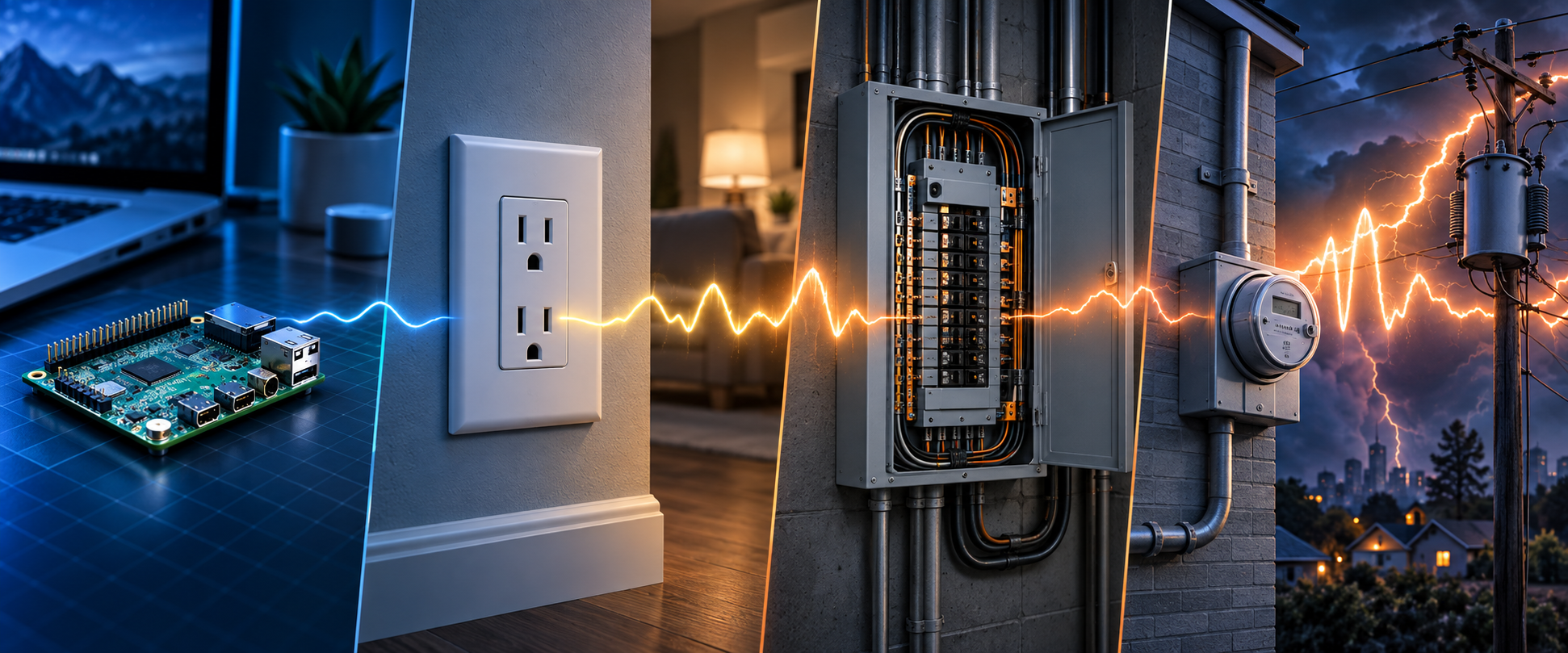
Understand CAT I to CAT IV overvoltage categories, expected transient surges, and their impact on insulation, spacing, and equipment selection.

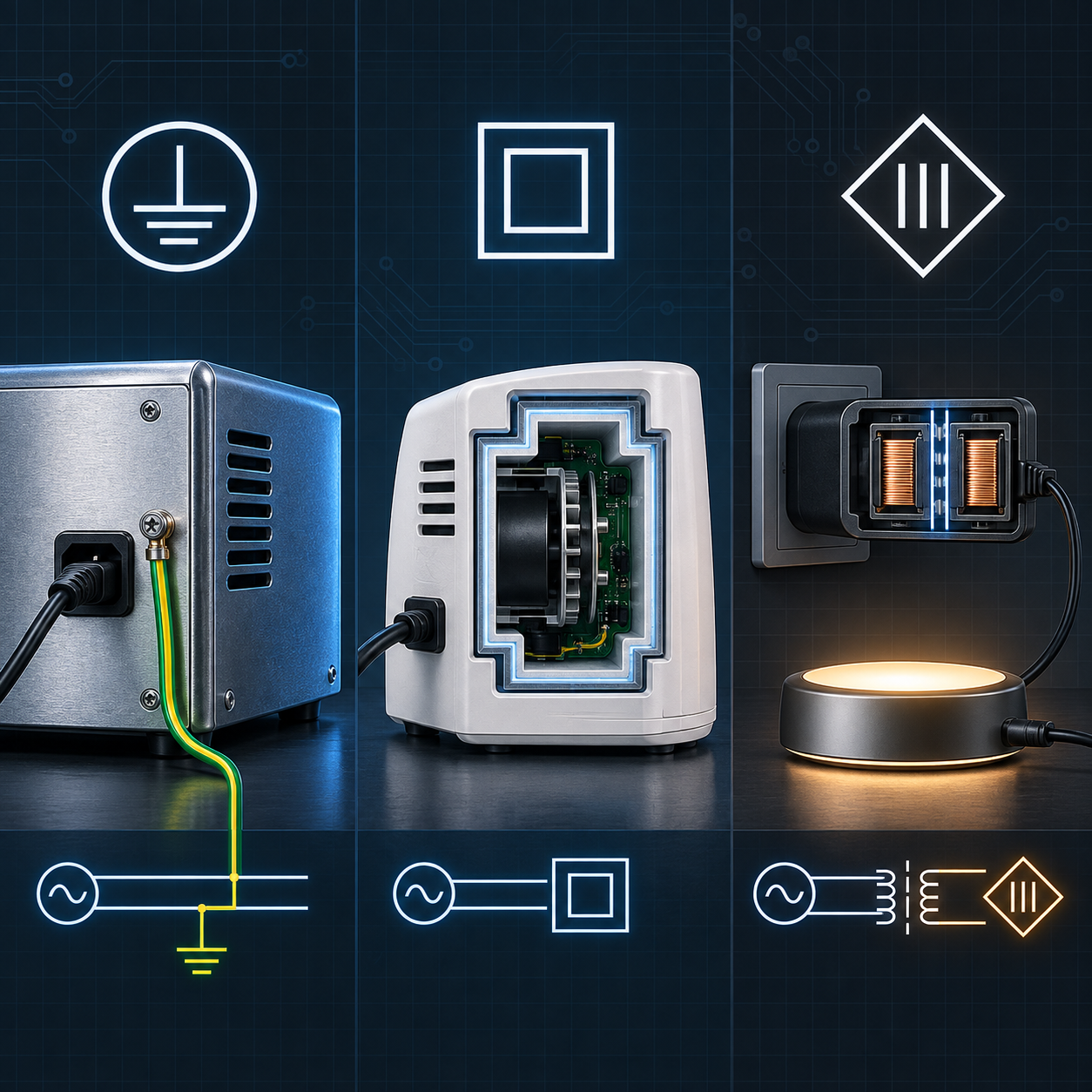
Distinguish protective earthing, double insulation and SELV to select, connect and verify electrical equipment safely.

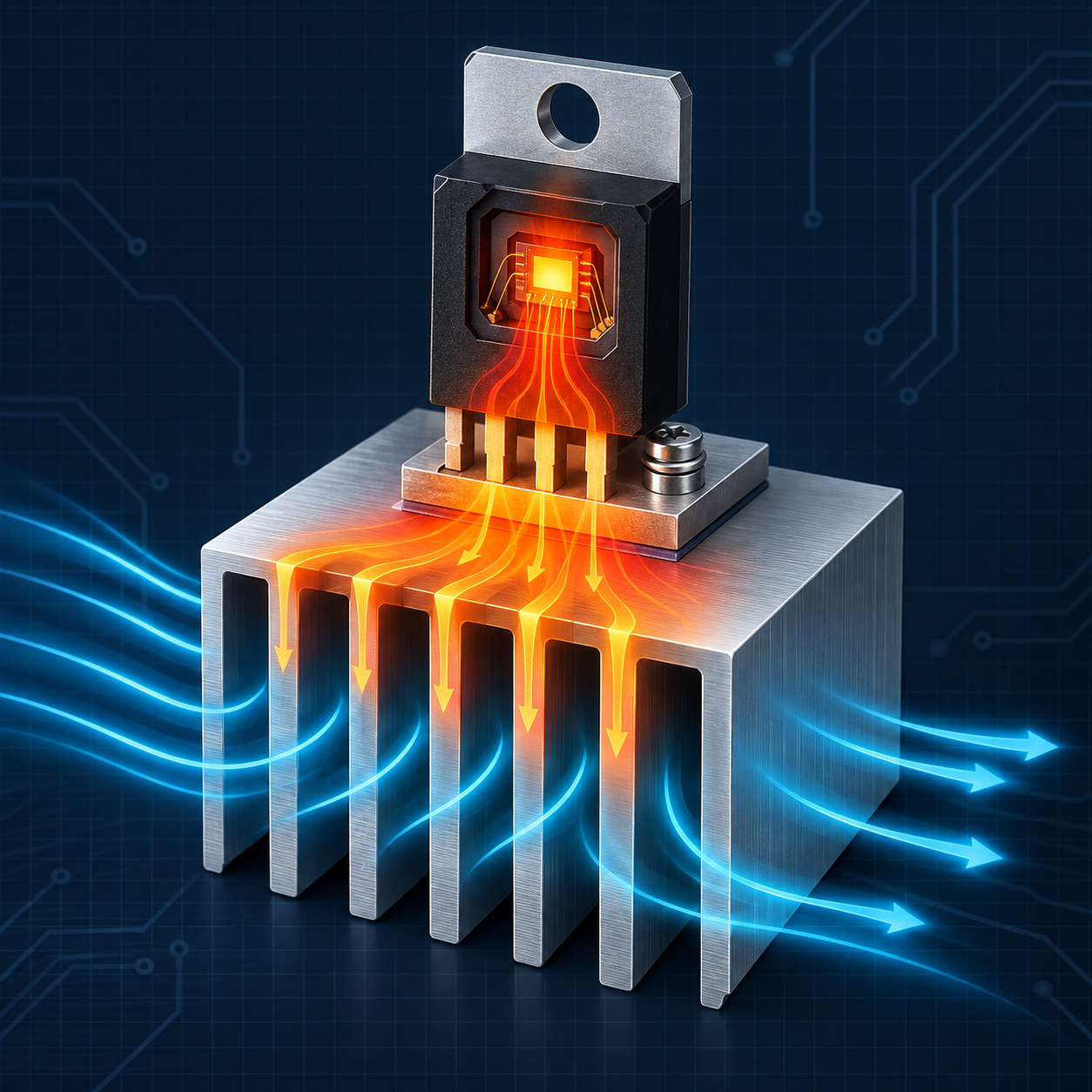
Calculate and interpret junction temperature with RθJA, RθJC, RθCS, and RθSA in still air, with airflow, or with a heatsink.

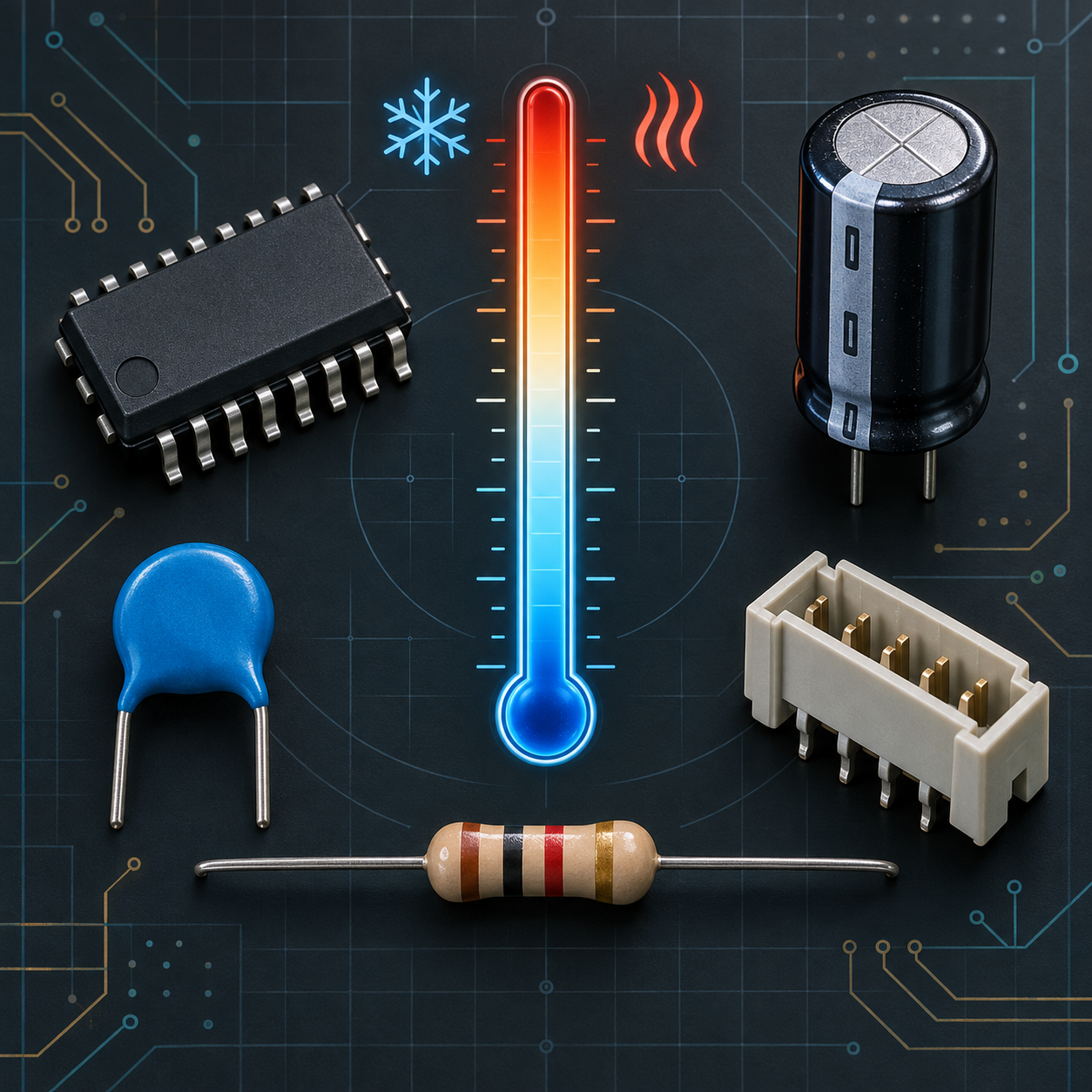
Understand commercial, industrial and automotive ranges, AEC grades, junction temperature, and how to select a component across its full thermal operating range.

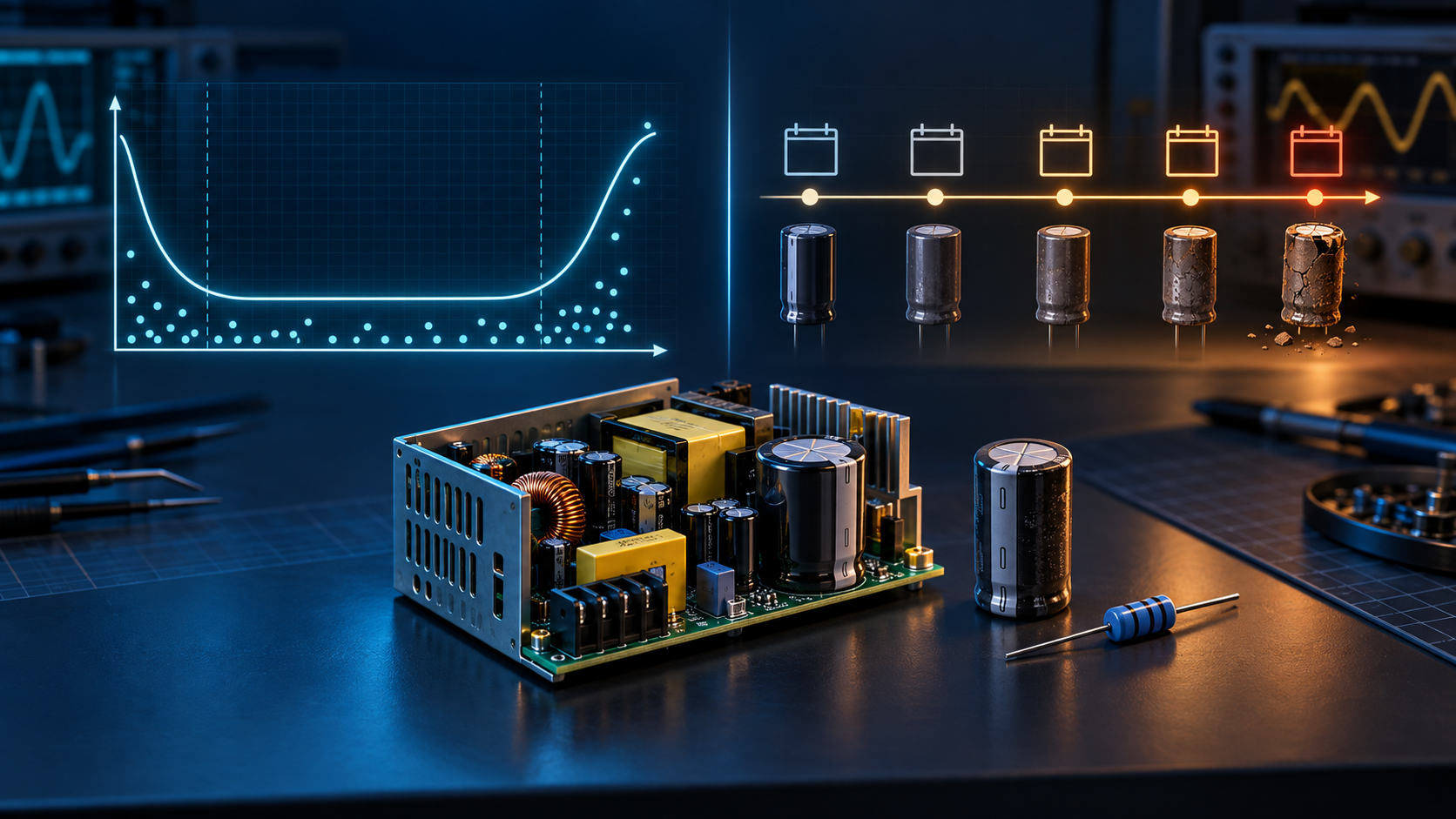
Distinguish MTBF, failure rate, useful life, and service life to write an actionable reliability requirement for electronic equipment.

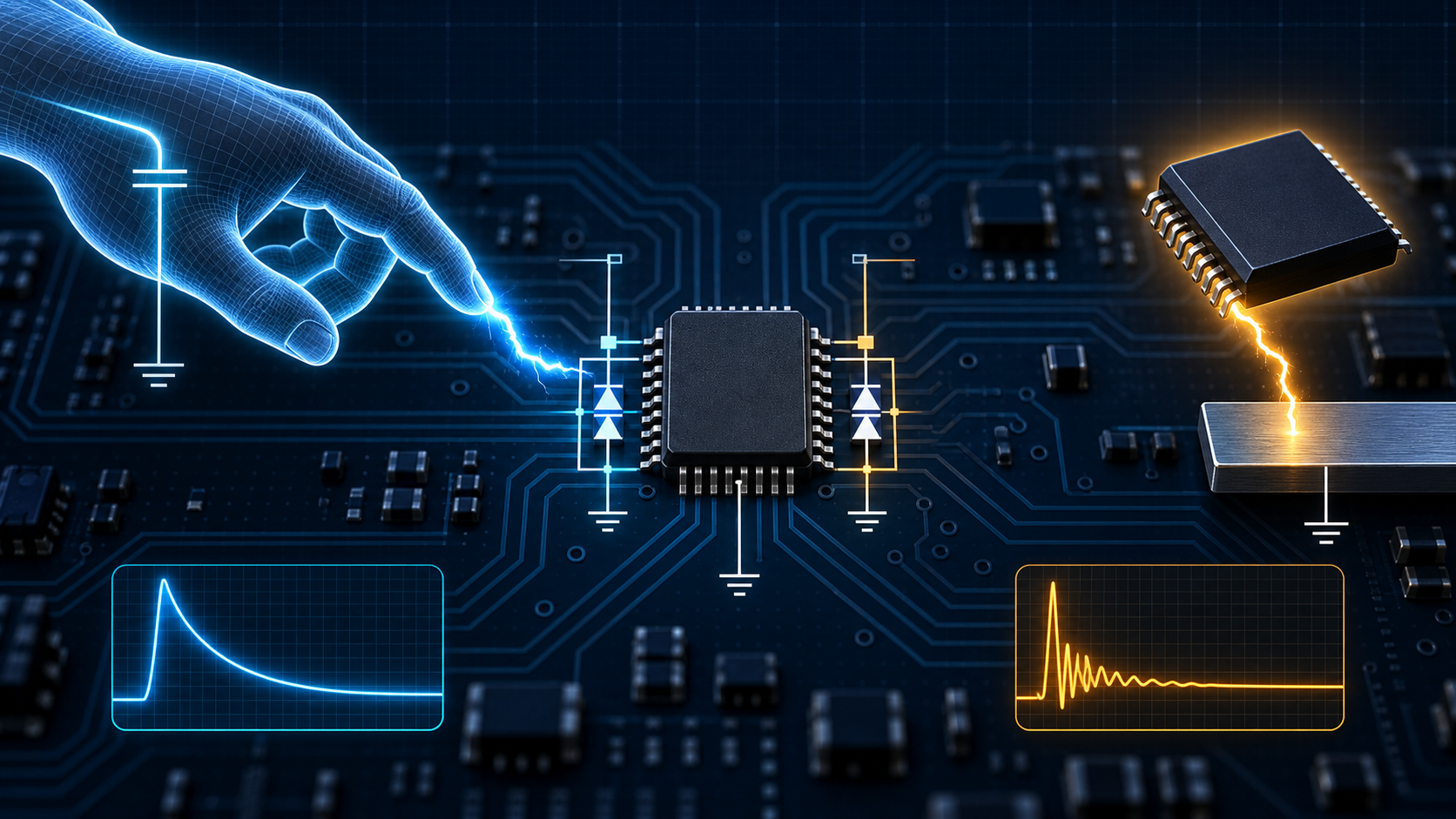
Understand HBM and CDM ESD levels, waveforms, sensitivity classes, limits, and the consequences for component qualification and board design.

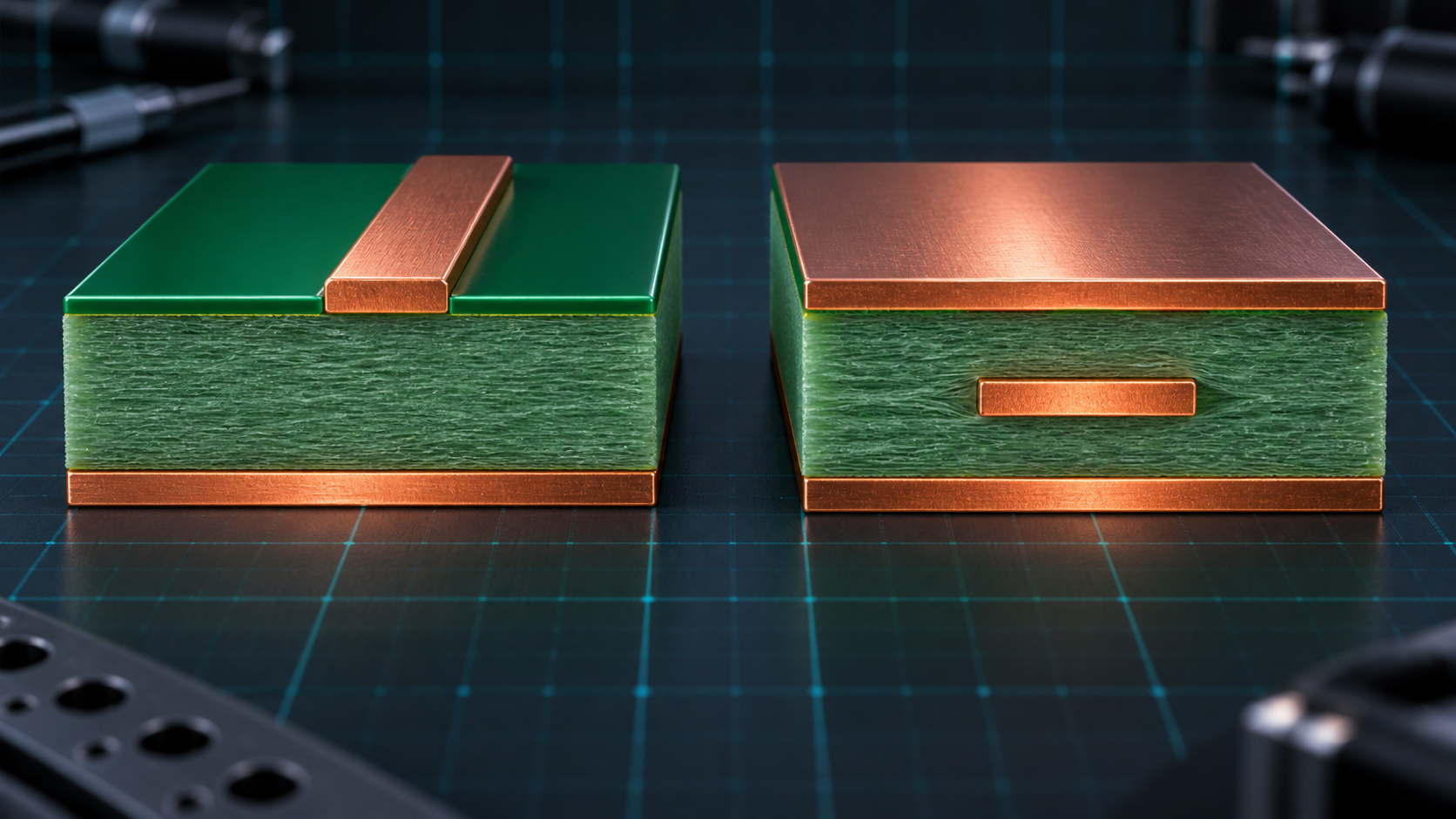
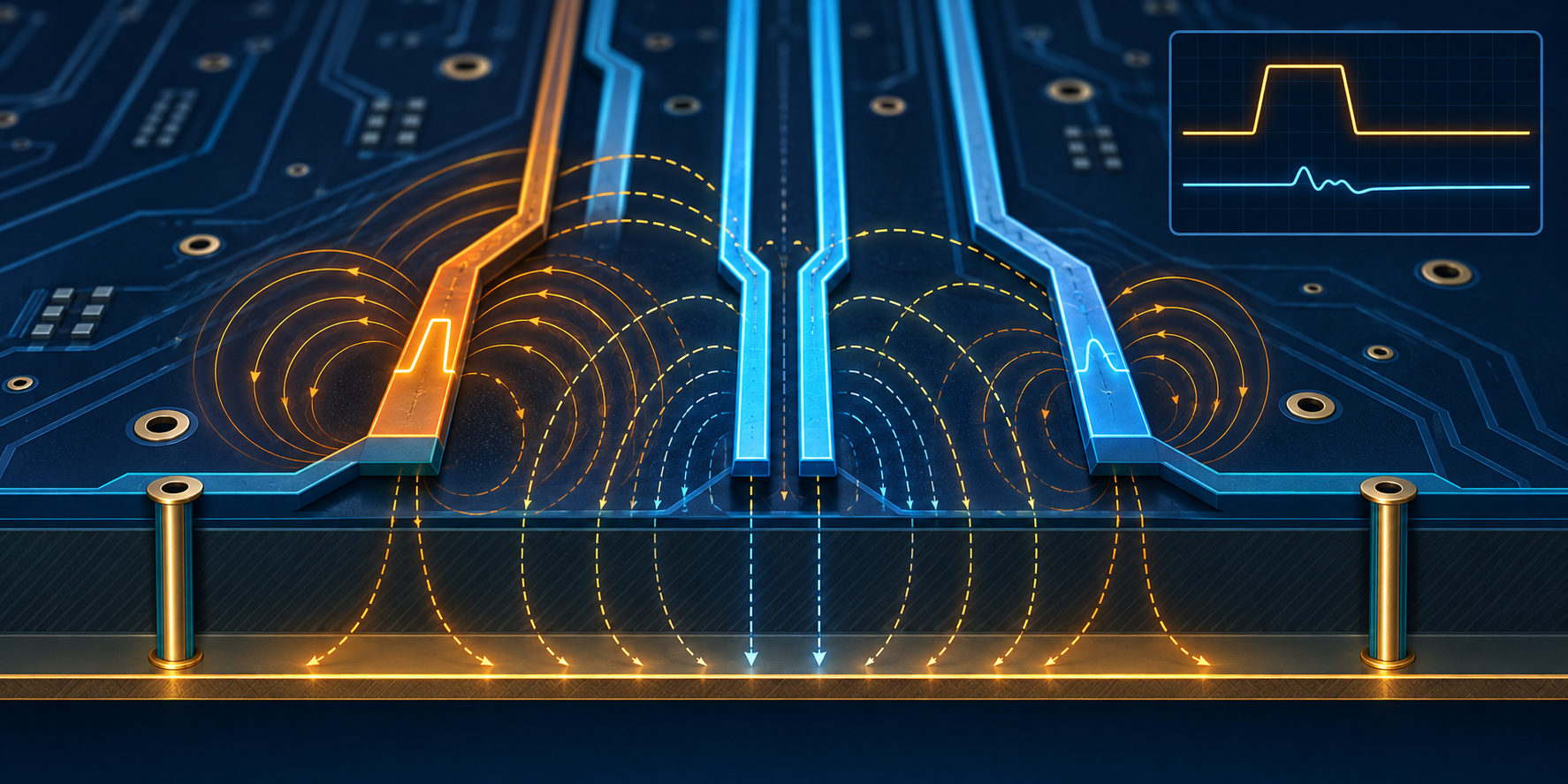
Microstrip and stripline differences, stack-up parameters, the effect of width, dielectric and copper, and a method for specifying controlled impedance.

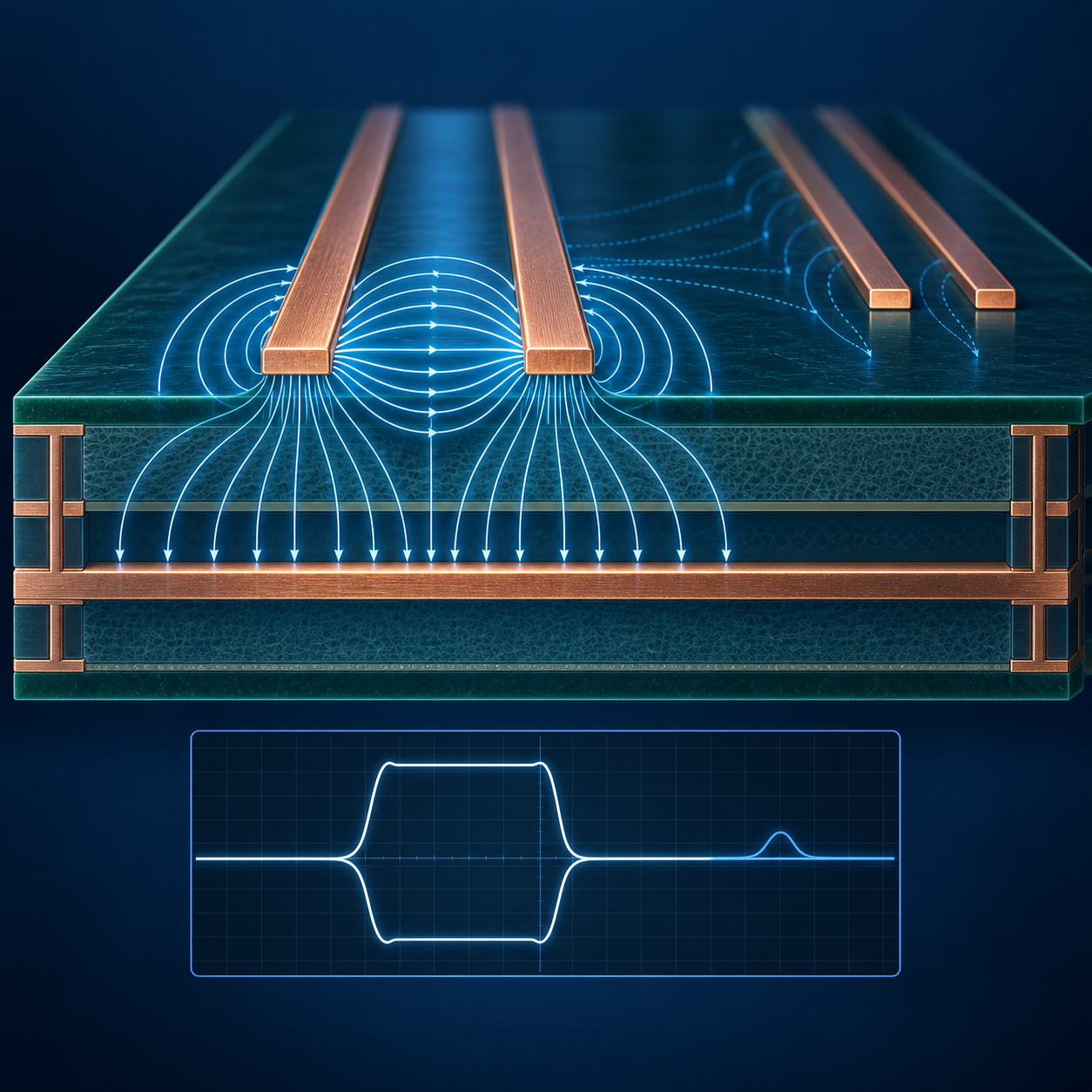
Understand PCB crosstalk: capacitive and inductive coupling, NEXT/FEXT, rise time, parallel length, spacing, noise reduction, and validation.

Design a controlled-impedance differential pair: odd, even, differential and common-mode impedance, coupled geometries, routing, asymmetry and near-end crosstalk.

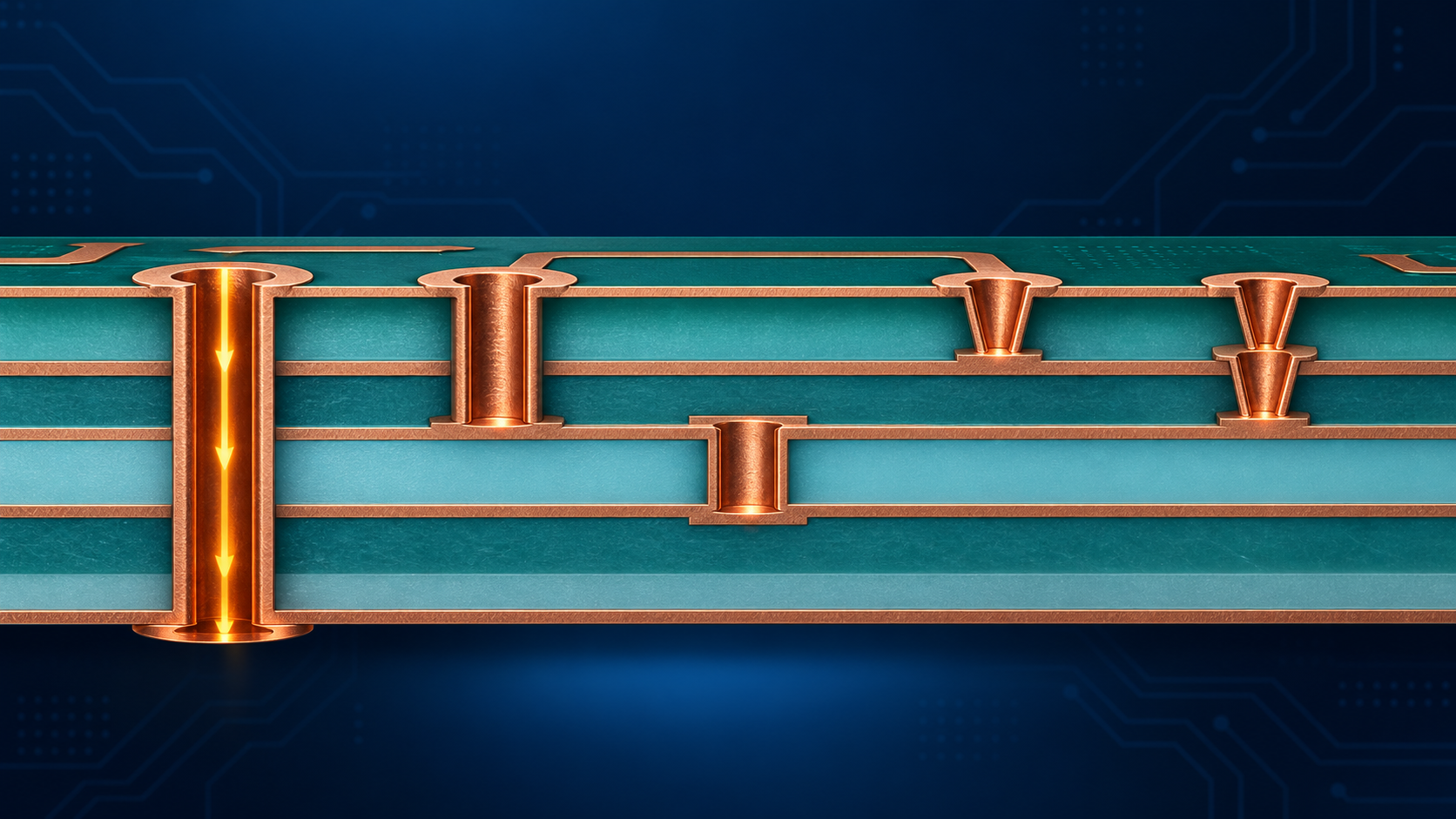
Choose through, blind, buried, or microvias for the stack-up, density, current, reliability, and frequency; master pads, annular rings, antipads, filling, stubs, and HDI transitions.

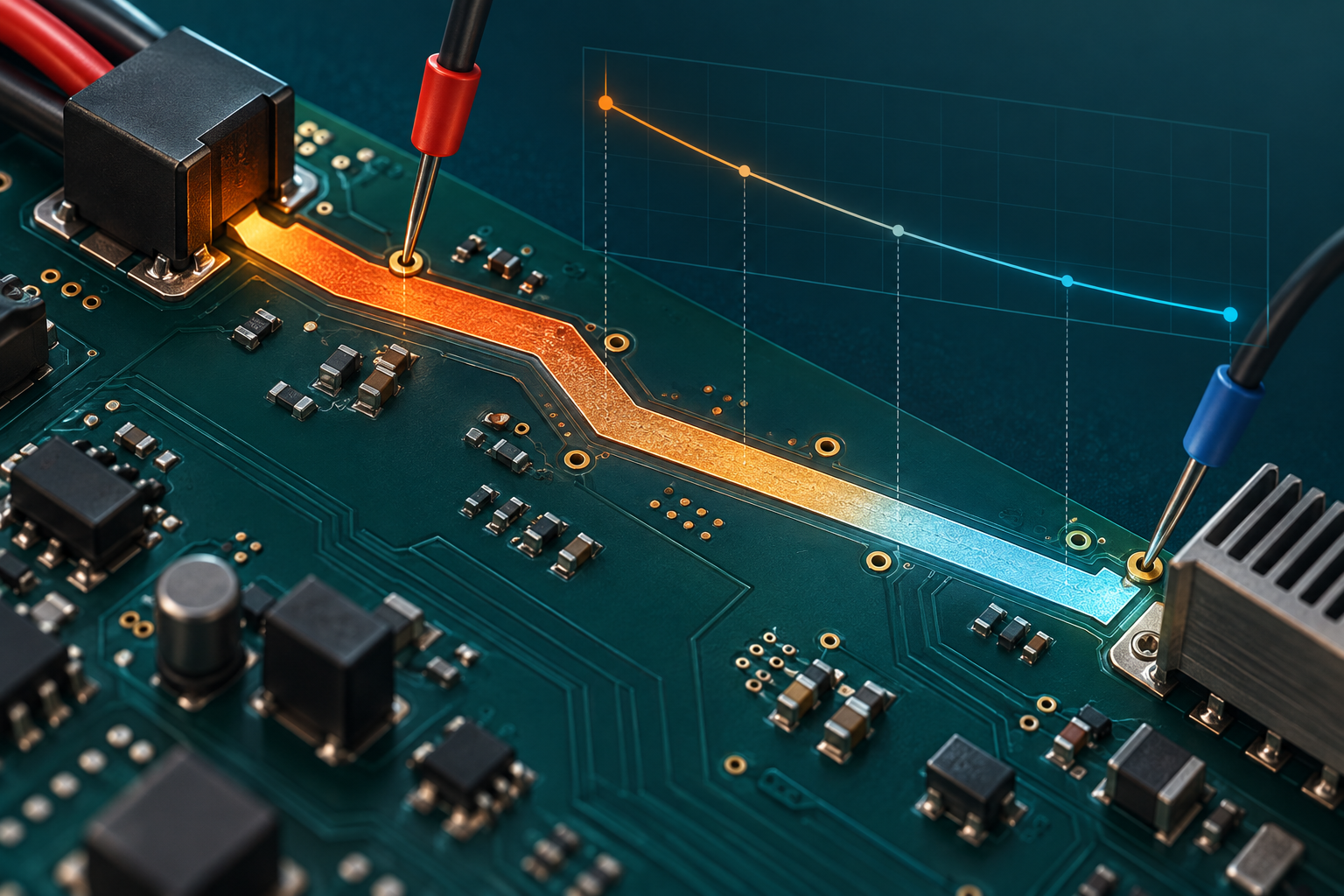
Calculate a trace’s resistance, voltage drop and Joule loss from its length, width, copper thickness, current and temperature.

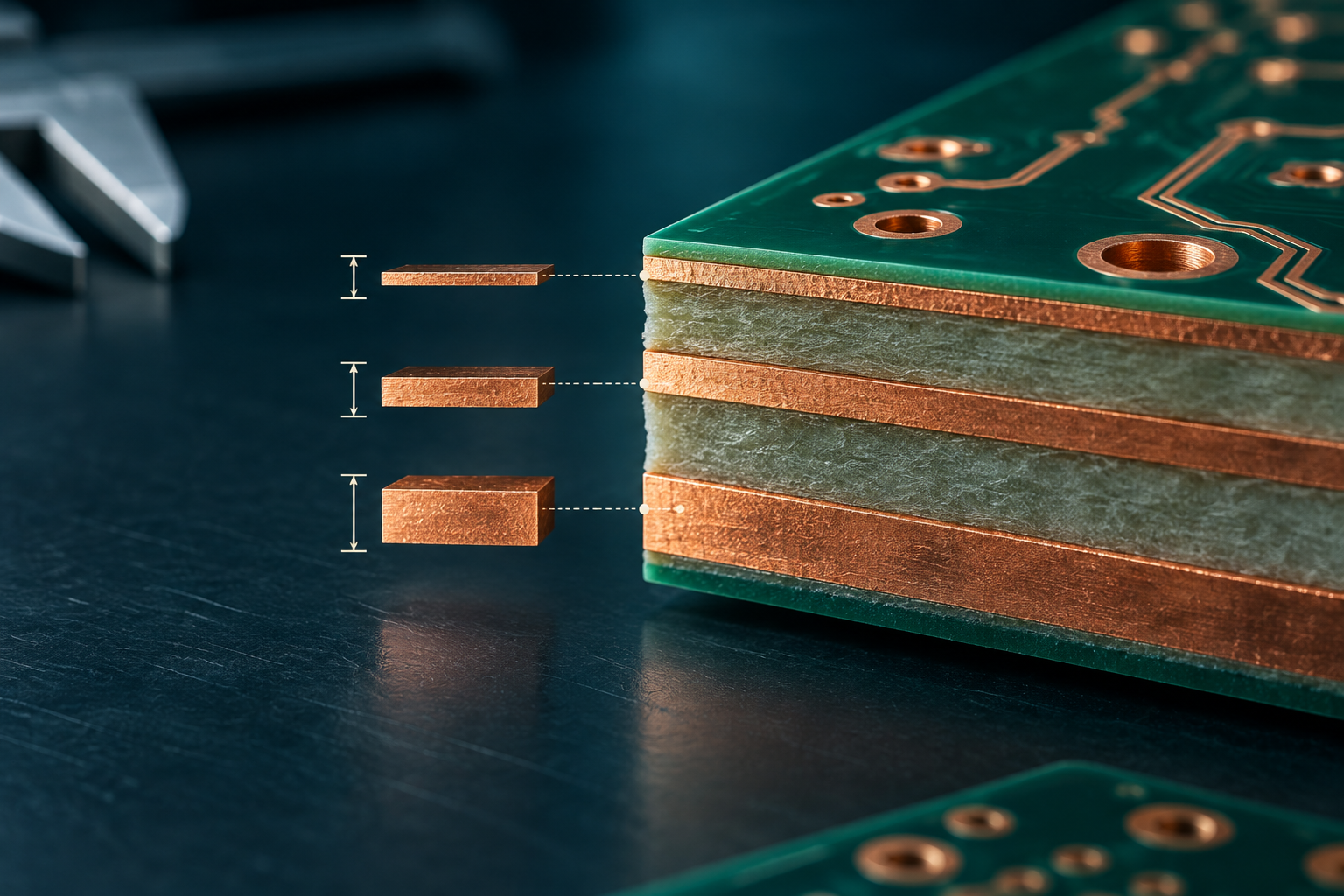
oz/ft² ↔ µm equivalence, common copper values, the distinction between base and finished copper, and consequences for routing and thermal design.

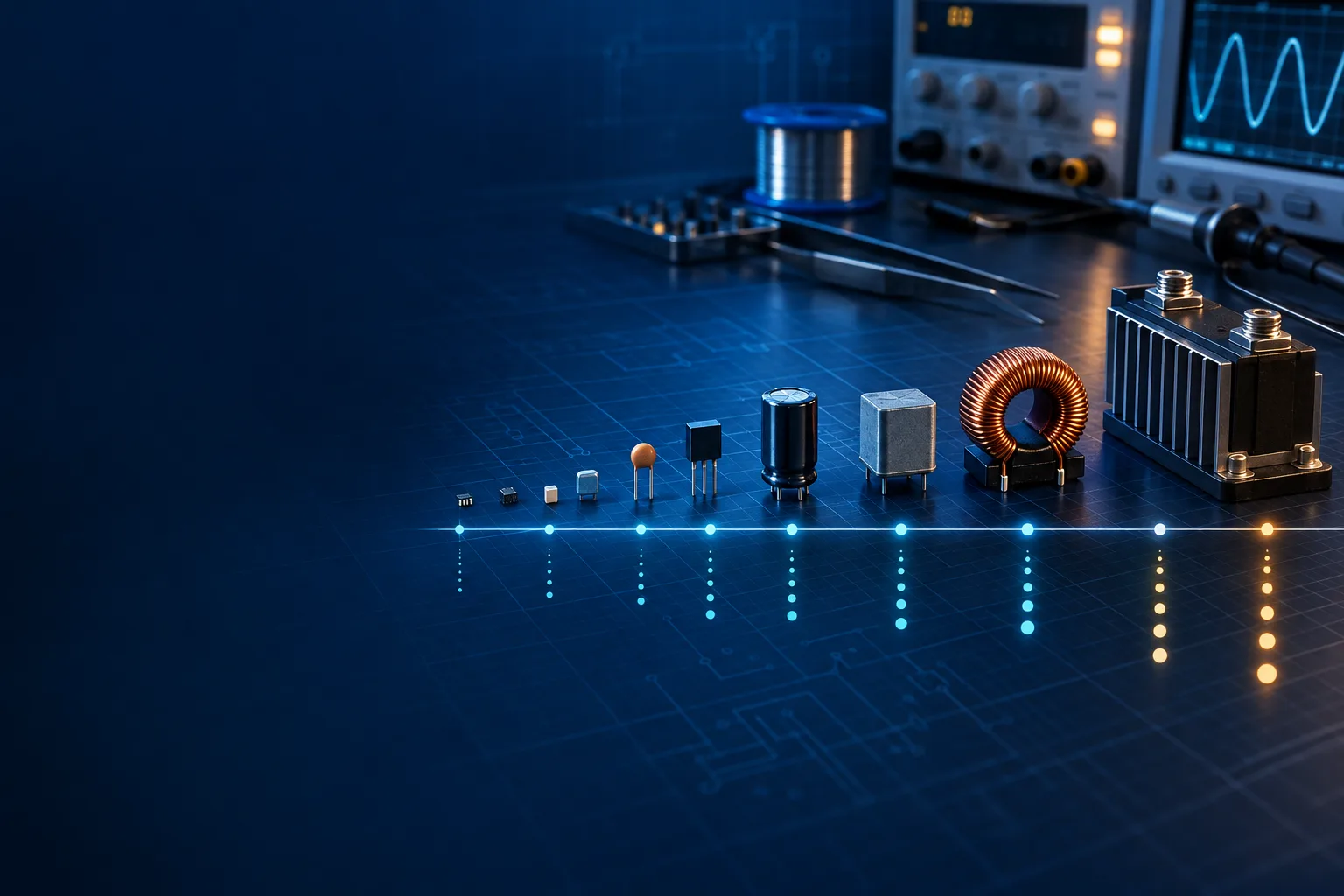
Pico-to-giga prefixes, powers of ten, engineering notation, writing rules and common electronics conversions.

IEC 60063 tables for E3 through E192, tolerances, decade scaling and selecting a preferred value.

Initial tolerance, TCR in ppm/°C, thermal drift, and calculating a resistor's minimum and maximum limits across its operating range.

Rated voltage, DC bias, temperature codes, effective capacitance, and a method for reading manufacturer curves.

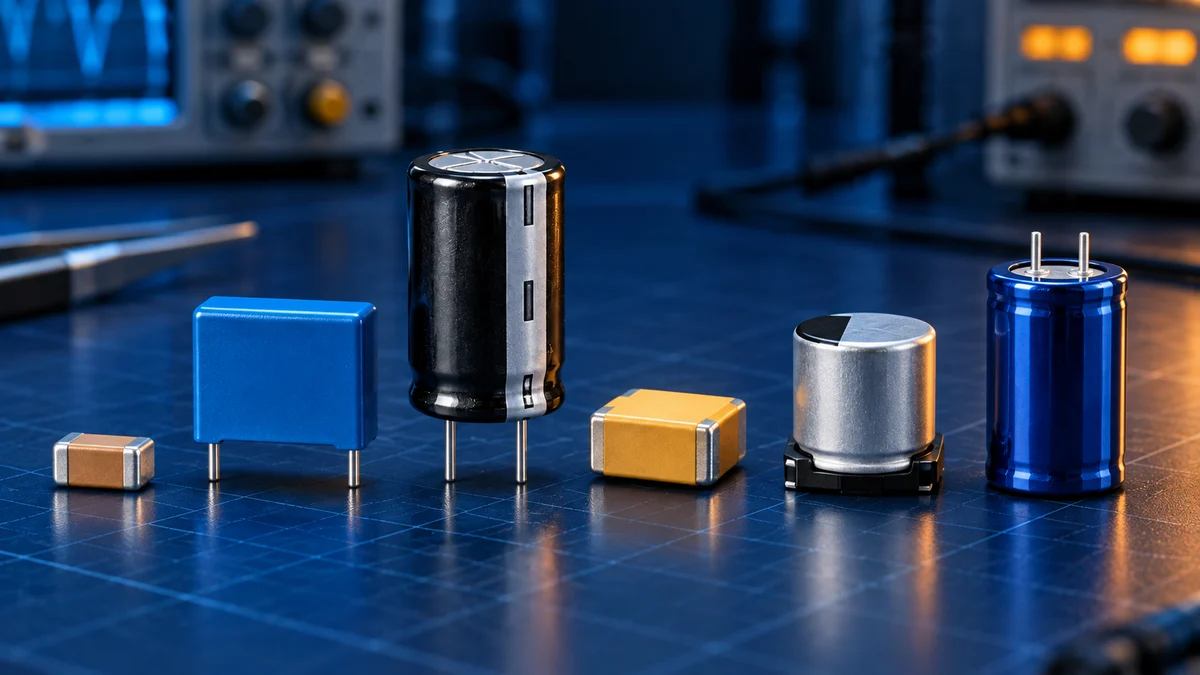
A practical comparison of ceramic, film, aluminium electrolytic, polymer, tantalum, and supercapacitor technologies for selecting the right part.

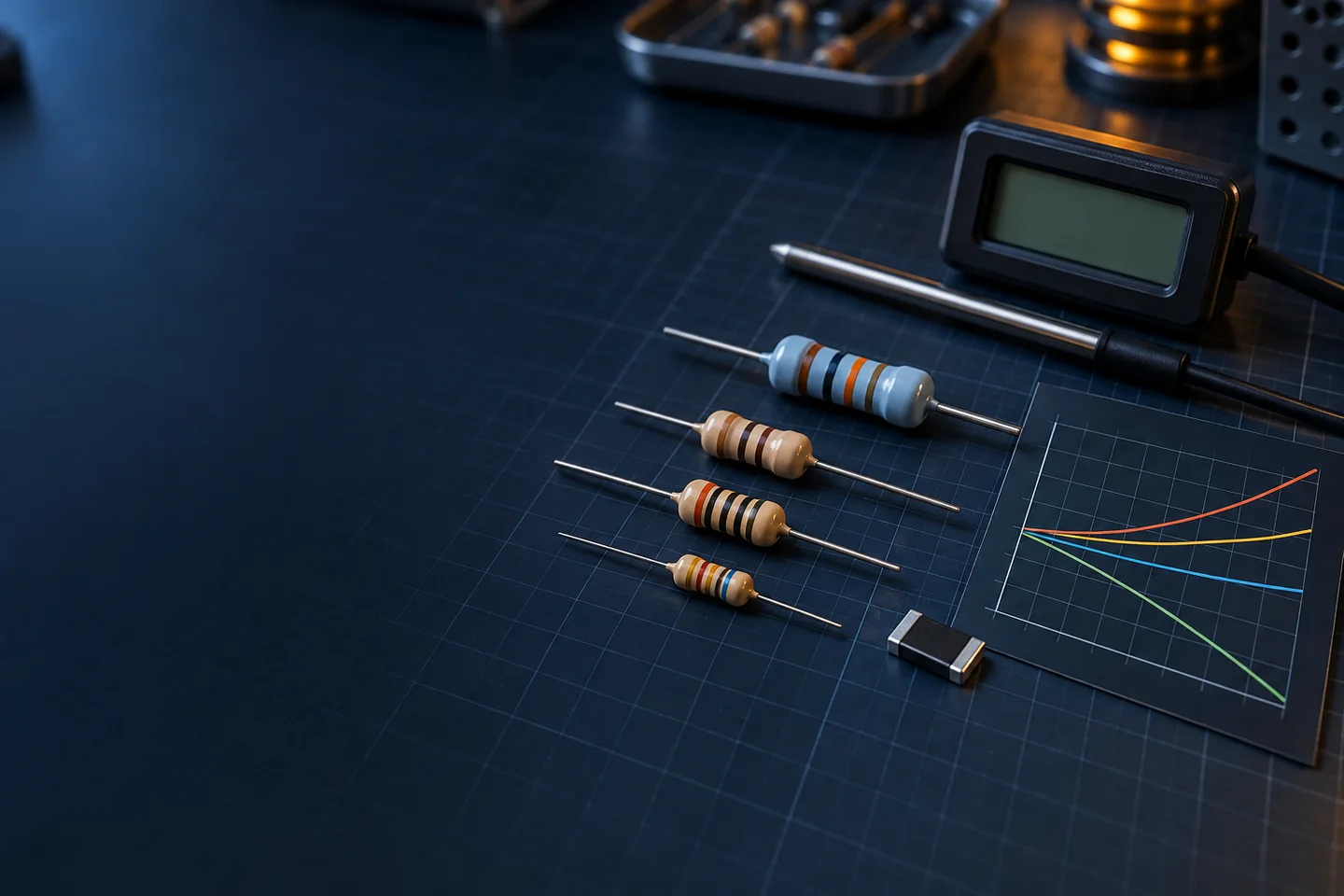
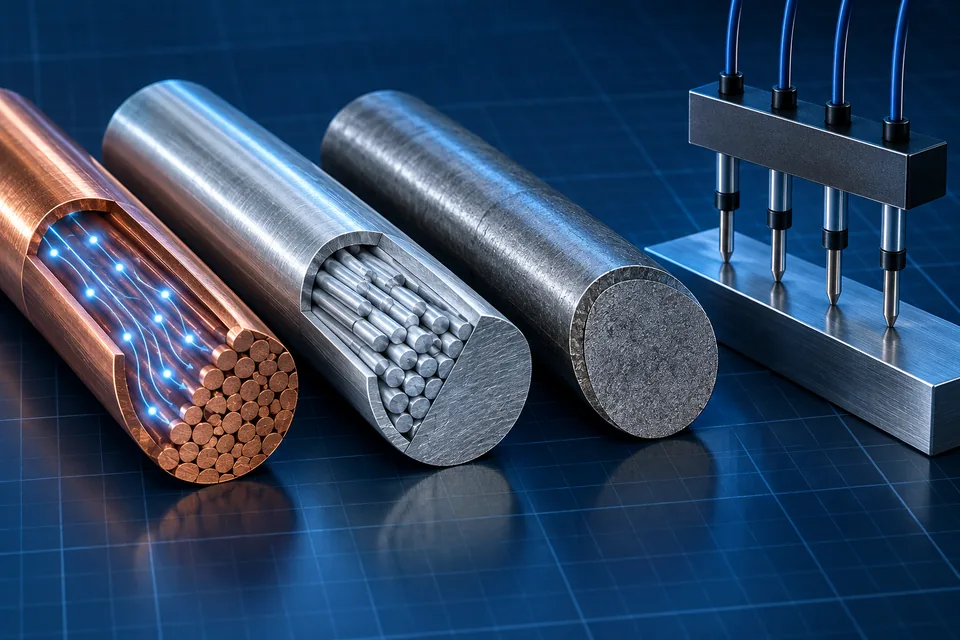
Resistivity, conductivity, temperature coefficient and typical values for conductive materials at 20°C.
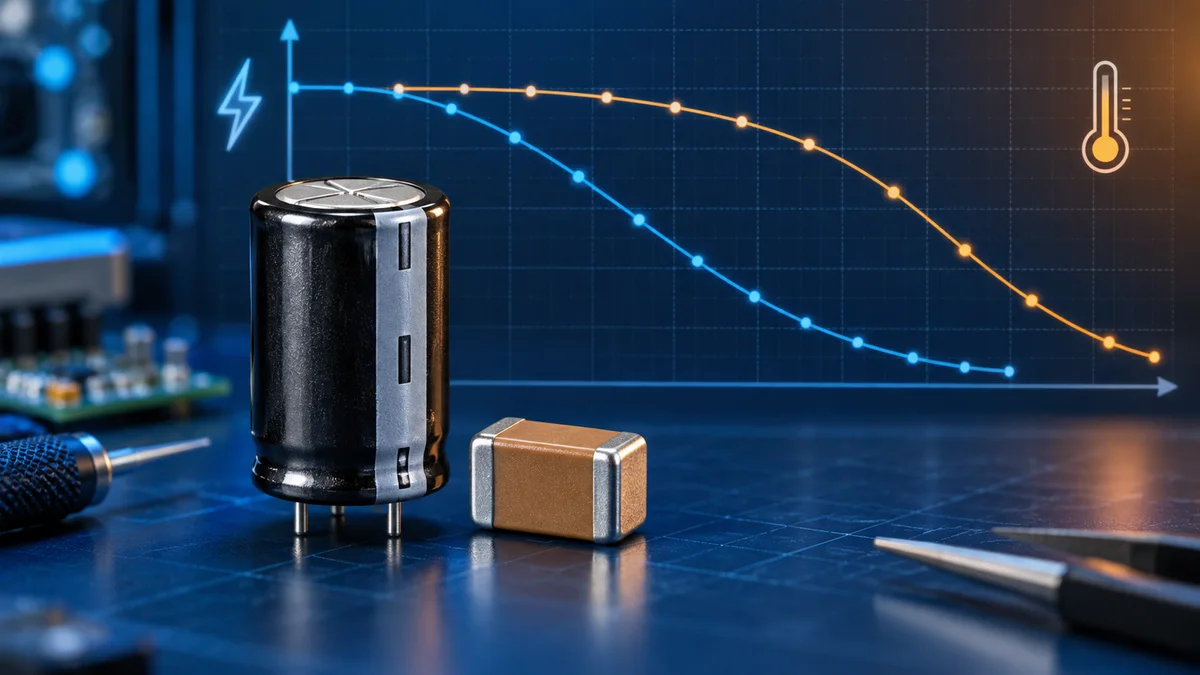
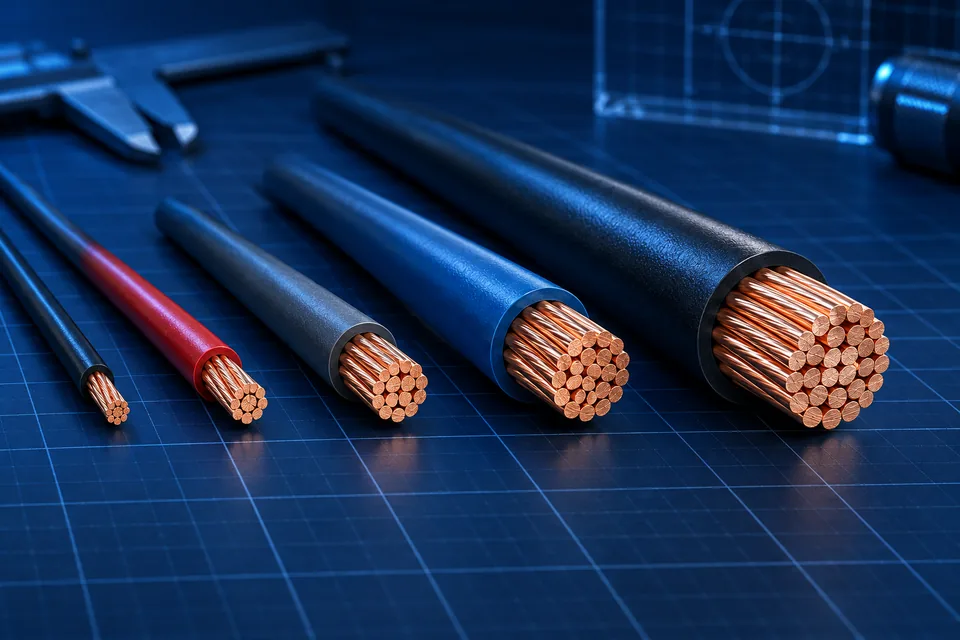
Diameters, cross-sectional areas, resistance and conversion formulas for sizing AWG conductors.

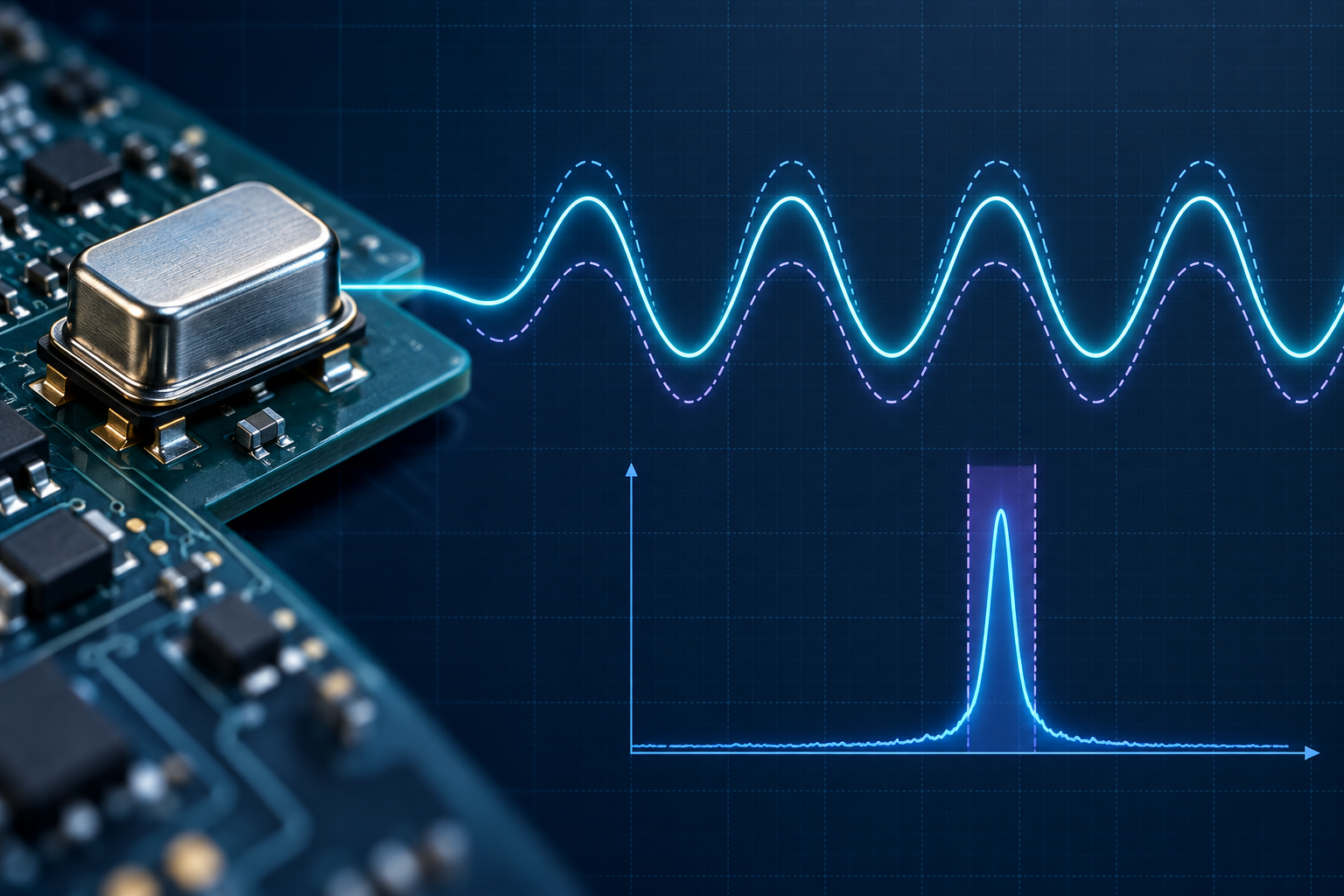
Convert ppm accuracy into a hertz offset, derive minimum and maximum limits, and connect frequency tolerance to period variation.

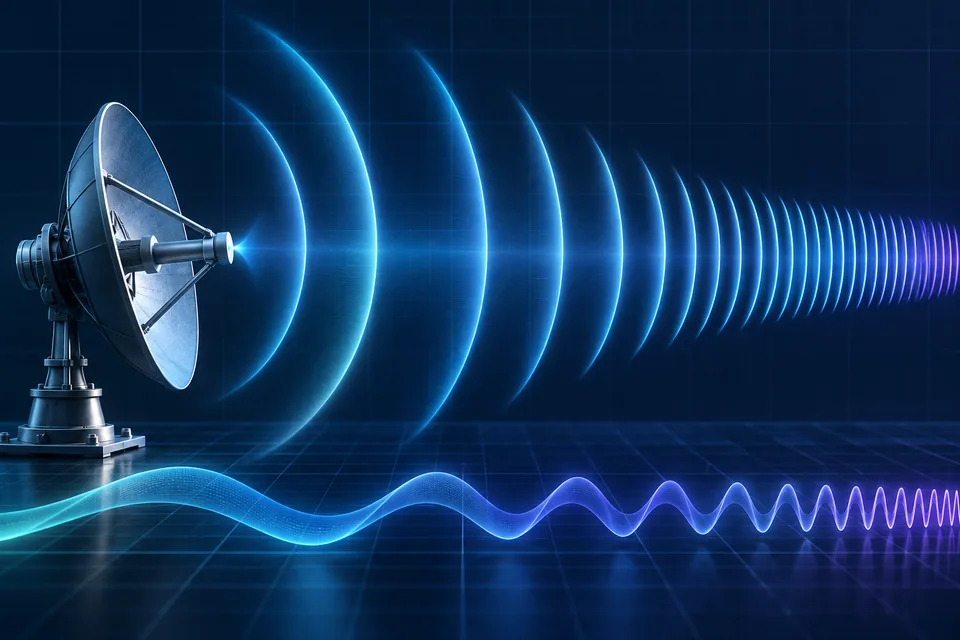
A comparison of ITU, ISM, IEEE radar and NATO bands with ranges, wavelengths and representative uses.

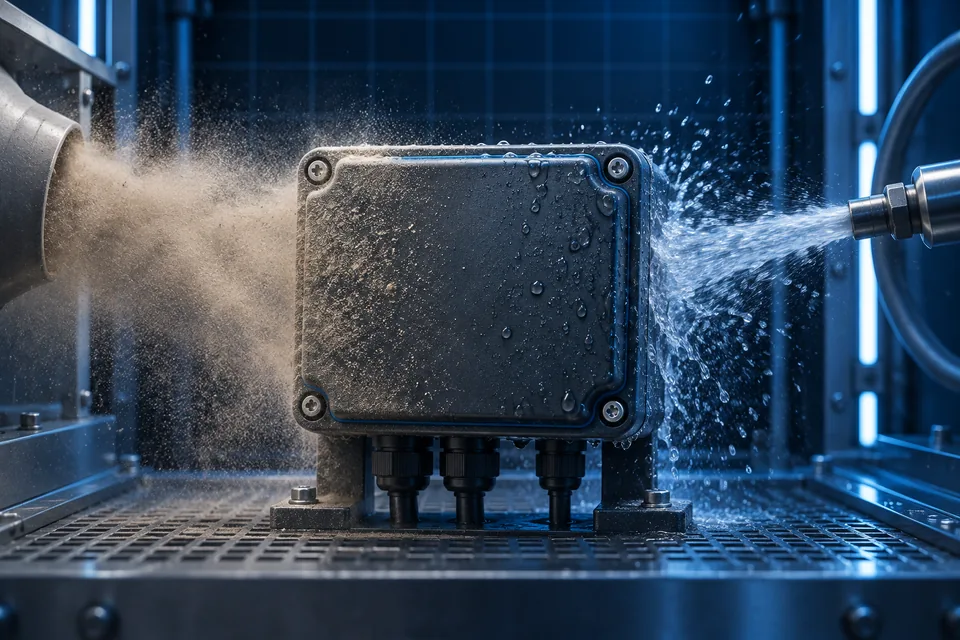
How to read both digits of an IP code, the test conditions, and the limits of protection against solids and water.

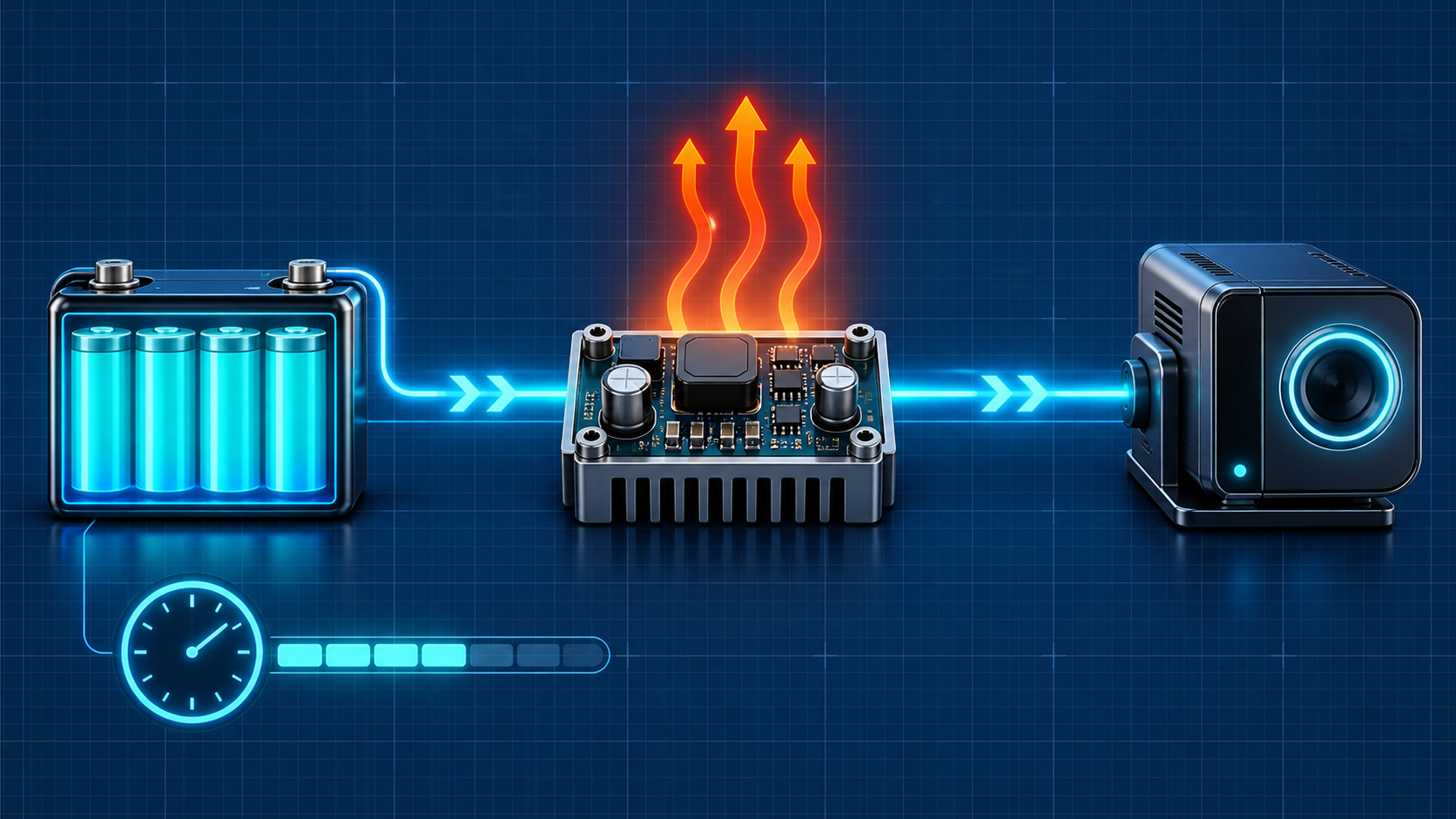
Build a battery-powered system power budget: input and output power, efficiency, thermal dissipation, available energy, and realistic runtime.